Returning to sport involves more than waiting for an injury to feel better. Sports injury specialists may assess healing, strength, mobility, functional performance and confidence to determine whether you are ready to resume your activity safely.
Shoulder pain is not always the best indicator of a rotator cuff tear. Learn why persistent weakness, reduced strength and difficulty lifting your arm may be more important signs that warrant assessment by a shoulder specialist and timely treatment.
Frozen shoulder does not always recover as expected. Learn what shoulder specialists assess when pain and stiffness persist, how they determine whether recovery is on track and when further treatment or surgery may be considered.
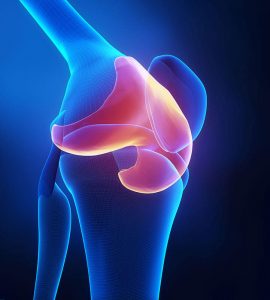
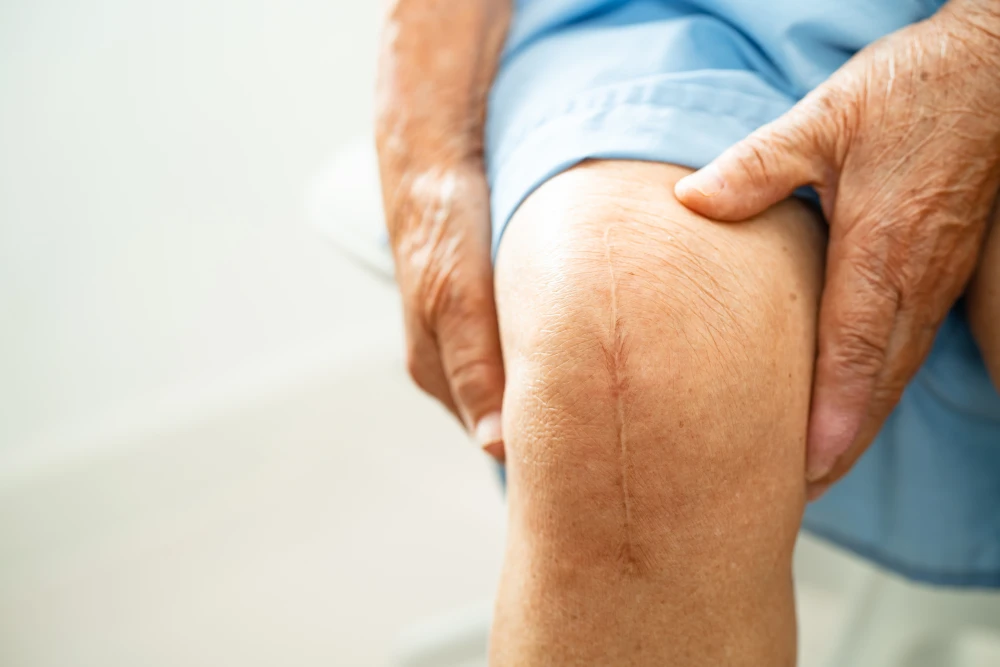
Many patients are surprised by what recovery after knee replacement actually involves. Learn what to expect after surgery, from the first few days to long-term rehabilitation, and how proper preparation can support a smoother recovery journey.
Dr James Tan Chung Hui Senior Consultant Orthopaedic Surgeon MBBS (Singapore), MRCS (Edinburgh) MMed (Orth), FRCS Orth & Tr (Edinburgh) Musculoskeletal conditions can make everyday activities such as walking, exercising or lifting objects difficult. Whether caused by an injury, repetitive strain or age-related changes, these conditions can affect the bones, joints, muscles, ligaments, tendons and […]
Dr James Tan Chung Hui Senior Consultant Orthopaedic Surgeon MBBS (Singapore), MRCS (Edinburgh) MMed (Orth), FRCS Orth & Tr (Edinburgh) Knee cartilage plays an essential role in allowing the joint to move smoothly while absorbing the forces generated during everyday activities such as walking, climbing stairs and exercising. When this protective cartilage becomes damaged, the […]
Sudden knee instability, often described as the knee “giving way”, can be unsettling and even dangerous if it happens during walking, climbing stairs or exercising. It may occur without warning or take place after experiencing strain, leaving you unsure whether it is something minor or if you have just seriously injured your leg.
Persistent joint pain is often mistaken for muscle fatigue or simple overexertion. However, when the discomfort lingers or starts to affect your daily movement, it may point to an underlying issue within the joint itself rather than a temporary strain.
Telling the difference is not always straightforward, especially when symptoms overlap in the early stages. This makes it important to understand the differences between the common causes of pain in the joints, and for you to identify the right time to visit an orthopaedic clinic for an assessment.
Many athletes are familiar with the experience of pushing through mild knee discomfort, hoping it will settle with rest or reduced training. However, when pain continues to return during running, squatting or other repetitive movements, it may begin to interfere with both performance and motivation over time.
Persistent knee pain and stiffness can make everyday life feel increasingly limiting over time. Some individuals may begin avoiding physical activity because of discomfort, while others may worry about how their symptoms may progress over time.
Knee and shoulder injuries are among the most common issues faced by active individuals and athletes, often occurring during sports that involve sudden movements, repetitive strain or impact. These injuries can affect performance and if left untreated, may lead to ongoing pain or long-term joint problems.
Understanding how these injuries are diagnosed and treated is key to a safe and effective recovery. From non-surgical care to surgical intervention when needed, the right approach can help restore strength, improve mobility and support a gradual return to sports.
A rotator cuff tear can leave many patients wondering: do I need surgery, or can it heal without treatment? The answer is not always straightforward, as it depends on factors such as the size of the tear, your symptoms and how much it affects your daily activities. Some cases respond well to non-surgical treatment, while others may require surgical repair to restore strength and function. Understanding the journey, from accurate diagnosis to appropriate treatment and recovery, can help you make a more informed decision about your shoulder health.
Knee pain is one of the most common complaints among runners and active individuals, but not all knee pain is the same. Two conditions that are often confused are runner’s knee and a meniscus injury. While they can feel similar at first, they stem from different causes and require different treatments. Understanding how to tell them apart is key to getting the right care early and helping to avoid long-term damage.
Knee arthritis can make even simple movements, like climbing stairs or getting out of a chair, painful and frustrating. While many patients start with non-surgical treatments, there may come a point where these options no longer provide enough relief. This often leads to an important question: should you continue with conservative care, or consider knee replacement surgery? Understanding the differences between these approaches can help you make a more informed decision about your long-term joint health.
Dismiss the rest-and-wait fallacy. Recovery isn’t a passive period of inactivity; it’s an active clinical phase of rebuilding tissue tolerance and mechanical stability. When an athlete stops training due to a sports injury, the primary goal is often misplaced on simple symptom management—reducing swelling or dulling pain. However, returning to the field based solely on the absence of pain is the leading cause of chronic re-injury.
Instead, true recovery requires closing the functional gap between basic daily movement and high-impact performance. This involves a structured, evidence-based progression that ensures ligaments, tendons, and muscles are biologically prepared for the specific mechanical stresses of your sport. By following a clinical roadmap rather than a calendar, you move beyond temporary relief and toward long-term joint preservation.
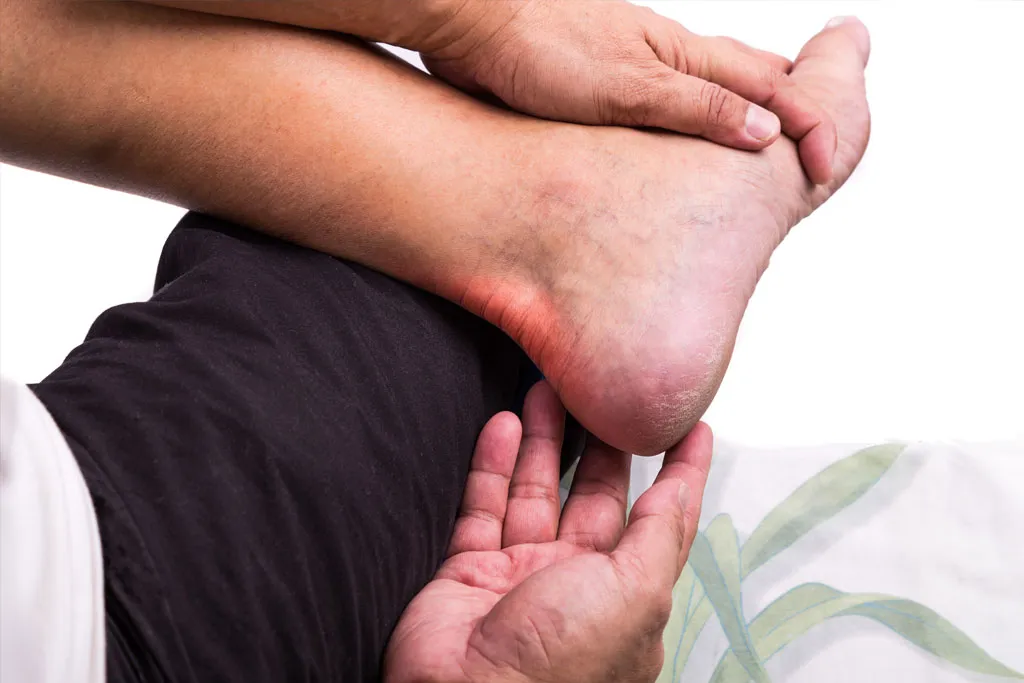
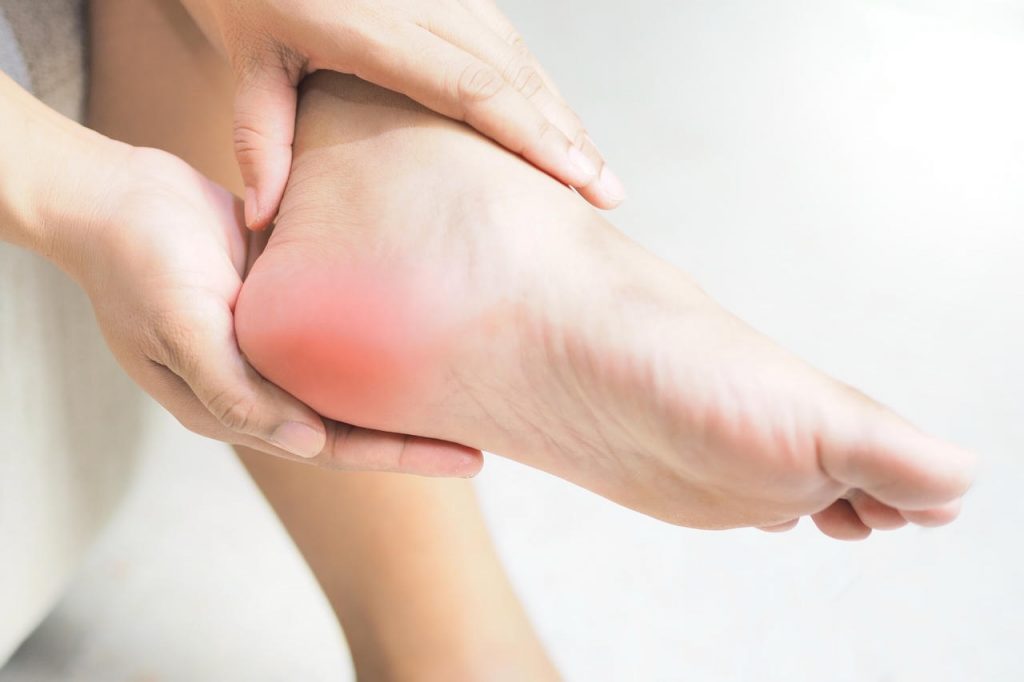
That sharp, stabbing sensation during your first steps out of bed is a jarring transition from rest to acute pain. While this first-step agony often dissipates after a few minutes of movement, this relief creates a false sense of security that the injury is minor. In reality, this morning flare-up can be an early sign of strain in your foot’s connective tissues.
To resolve this pain, we must look beyond surface soreness and examine the underlying mechanics of the foot. The intense morning sting occurs because tissues stiffen overnight and are suddenly stretched when you stand.
Therefore, it’s important to understand how your body’s overnight repair cycle actually leaves the tissue vulnerable to this morning agony, so that you can prevent the condition from becoming long-term and restore your mobility.
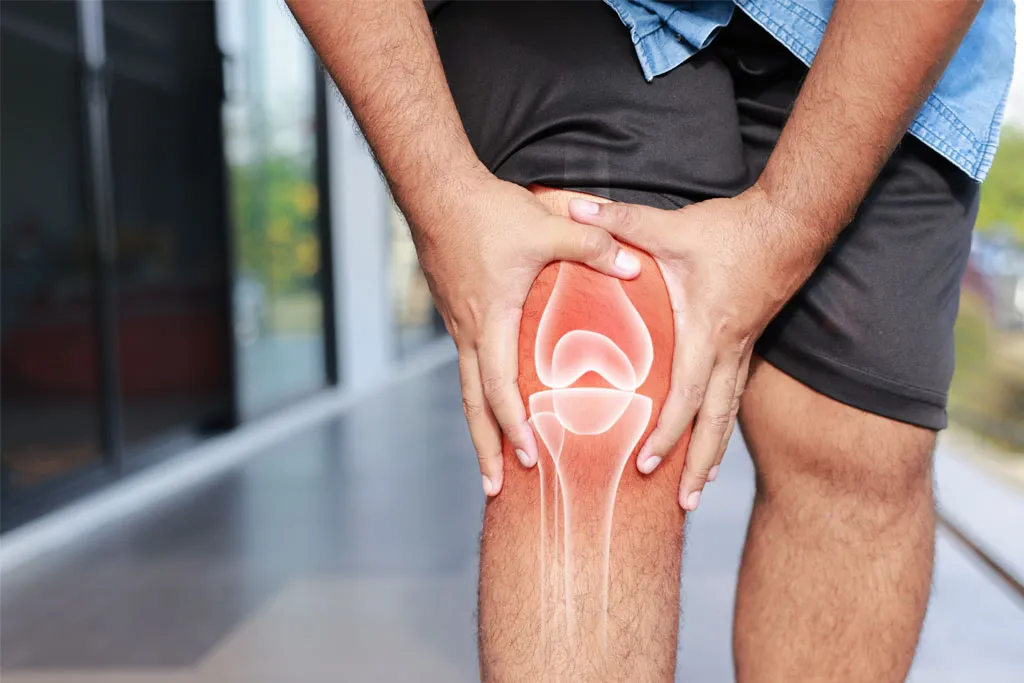
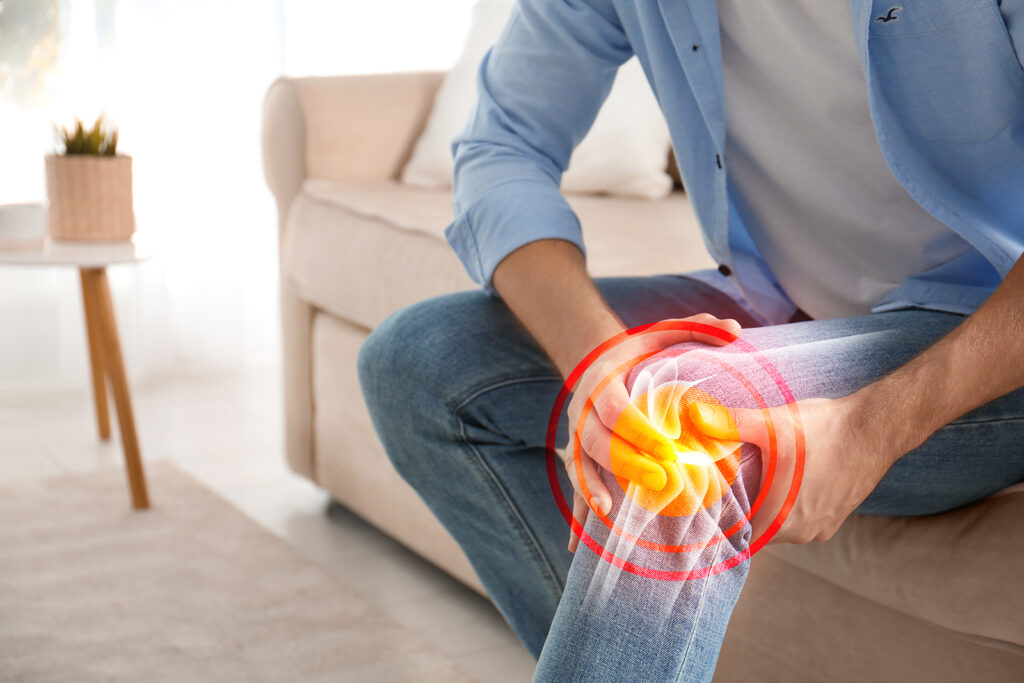
In many cases, knee pain is often a sign that the joint’s mechanics or surrounding structures may be under strain. While many attempt to push through the discomfort, ignoring these signals often forces the body to overcompensate, leading to secondary strain in the hips and ankles.
Therefore, understanding the specific nature of your symptoms—whether it’s a sharp catch during movement or a dull ache at rest—is the first step toward effective recovery. By decoding these signals early, you can address the root cause of the irritation before the condition becomes longer-term or more difficult to treat.
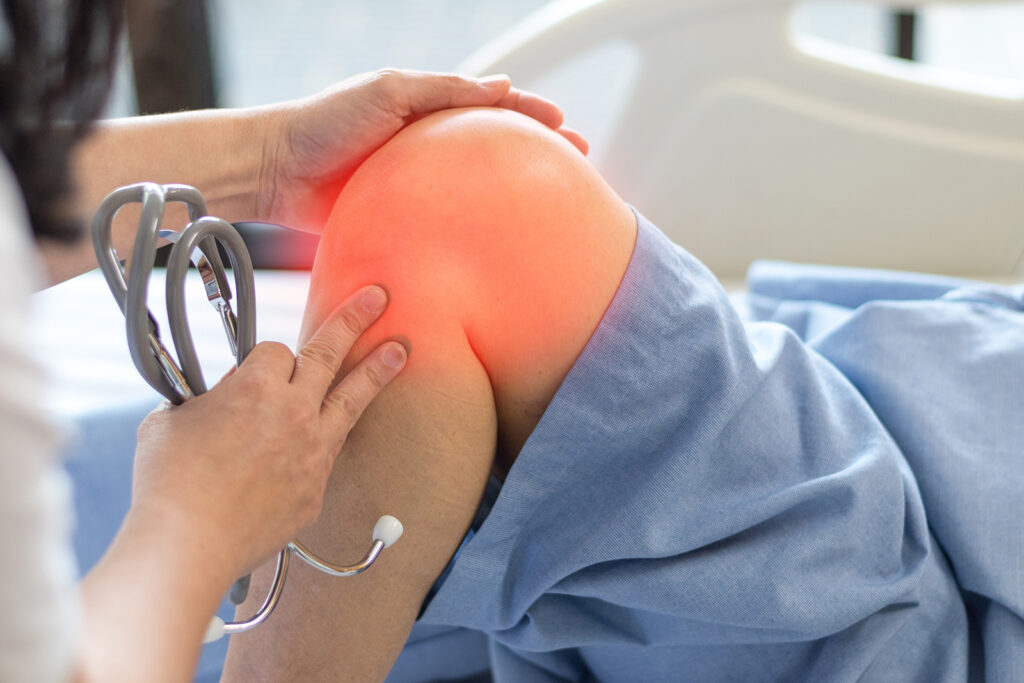
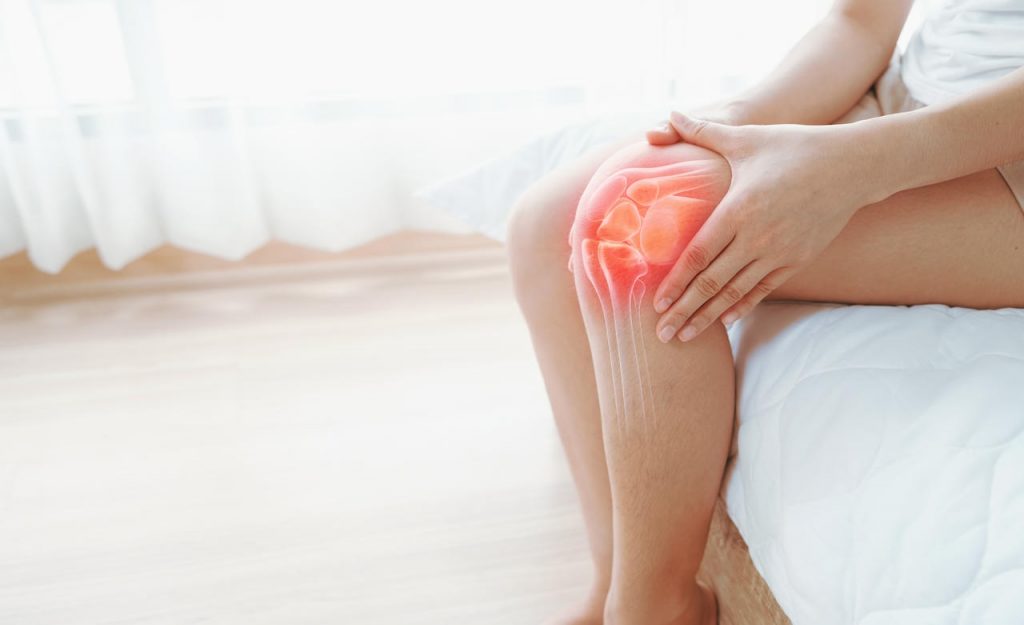
Ignoring knee pain is easy until it starts affecting how you walk, exercise or even sleep. What begins as mild discomfort can gradually turn into persistent pain, instability or reduced mobility if left untreated. While some knee problems resolve with rest, others may signal ligament injuries, cartilage damage, or early arthritis that require specialist care. Understanding the difference is key to protecting your joint health and preventing long-term complications.
What Is the Difference Between Mild and Serious Knee Pain?
Not all knee pain is cause for concern. It is common to experience temporary soreness after increased physical activity, a new exercise routine, or prolonged standing. Mild discomfort that improves with rest, ice, and simple pain relief measures is often related to muscle strain or overuse.
Not all knee pain is caused by a torn ligament or meniscus. In some cases, the issue lies in the smooth cartilage that allows your joint to glide effortlessly. When this protective layer is damaged, even everyday movements such as climbing stairs or standing up from a seated position can become uncomfortable and without proper treatment, the condition may gradually worsen.
Understanding the available treatment options early can help relieve symptoms, restore smoother joint movement and reduce the risk of long-term joint damage.
The meniscus plays an important role in cushioning and stabilising your knee, helping to absorb shock during walking, running and other daily movements. When it is torn, you may experience pain, swelling, or a catching sensation that affects your mobility. Choosing the right treatment approach can influence not only how quickly you recover but also the long-term health of your knee joint. Understanding the differences between meniscectomy and meniscus repair helps ensure your treatment plan is carefully tailored to your injury, lifestyle and recovery goals.
A torn ACL does not just affect your knee at the moment of injury — it can influence how your joint functions for years to come. The anterior cruciate ligament plays an important role in keeping your knee stable during movements such as walking, turning and climbing stairs. When it is torn, the knee may feel unstable or prone to “giving way,” especially during more active movements.
Without proper treatment, repeated instability can increase the risk of further damage to the cartilage and other structures within the knee. For patients who require reconstruction, understanding what to expect before, during and after ACL surgery can help ease uncertainty and support a smoother recovery.
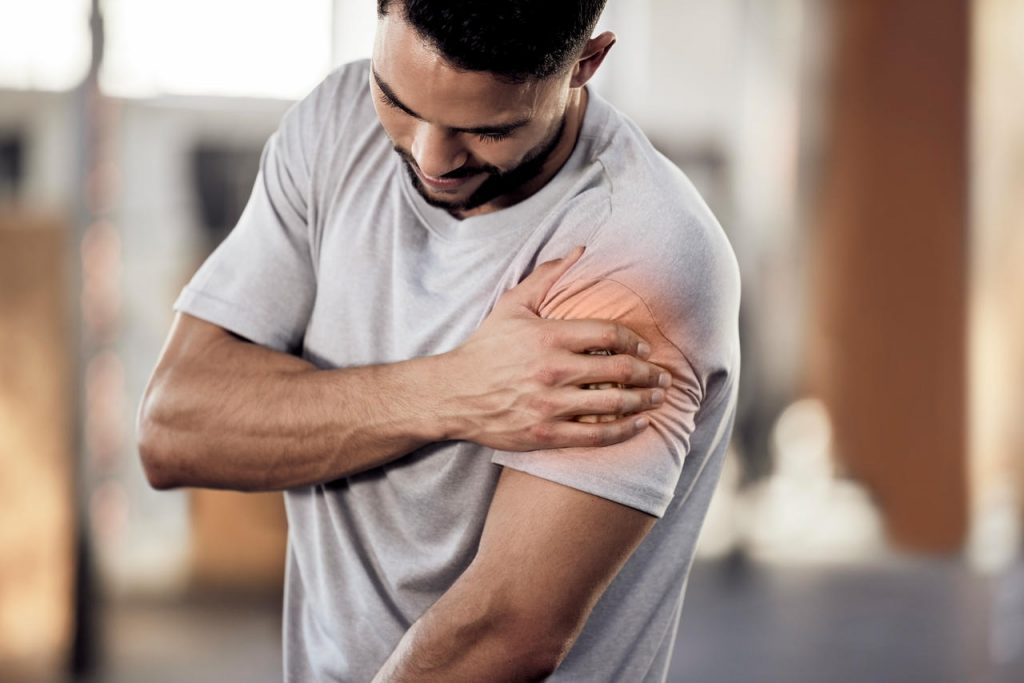
Shoulder pain is a common complaint, and one of the leading causes is a rotator cuff injury. This type of injury can affect anyone—from athletes and manual labourers to office workers—because the shoulder joint is one of the most mobile and frequently used joints in the body. What Is the Rotator Cuff? The rotator cuff […]
Heel pain is one of the most common foot complaints, and it can affect people of all ages. Whether you are an athlete, someone who spends long hours on your feet, or simply enjoys a daily walk, discomfort in the heel can interfere with your everyday life. While some cases of heel pain may resolve […]
Falls happen in the blink of an eye. Whether you trip while jogging, miss a step on the stairs, or slip on a wet floor, the natural reaction is to stretch out your hands to break the fall. This instinctive action often leads to what doctors call a FOOSH injury, which stands for “Fall On […]
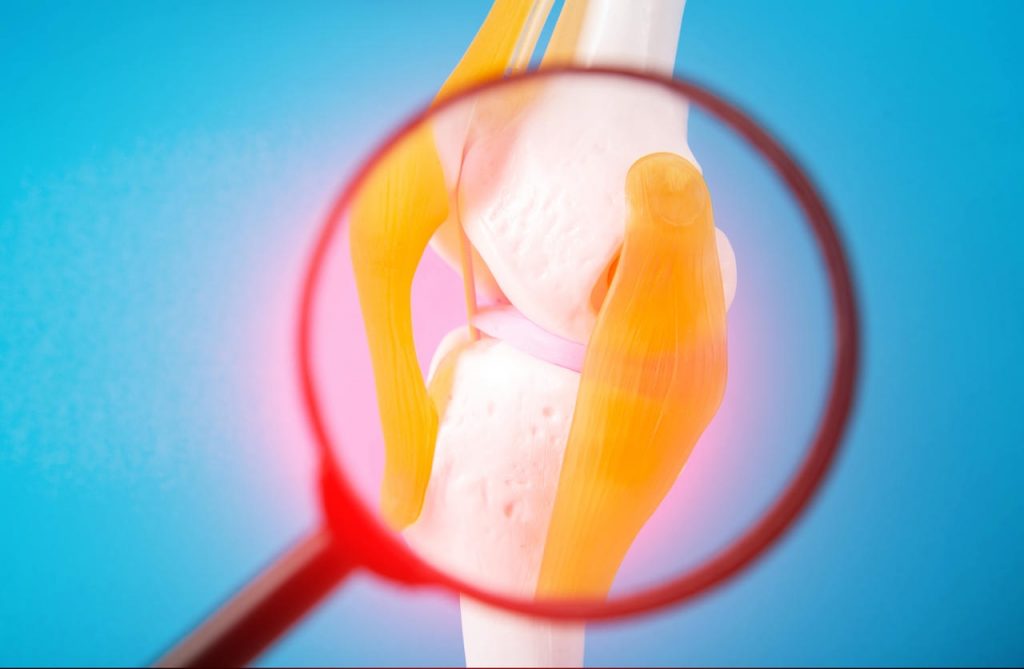
Knee pain is one of the most common musculoskeletal complaints, affecting people of all ages and activity levels. It can appear suddenly after an injury or develop gradually due to wear and tear over time. The knee is a complex joint that carries much of the body’s weight, and even minor issues can make walking, […]
The shoulder is one of the most mobile joints in the body, allowing us to lift, rotate, and extend our arms in multiple directions. This remarkable range of motion comes with a trade-off: the shoulder is also more vulnerable to injury. Among the injuries that can affect the shoulder, labrum tears are a common source […]
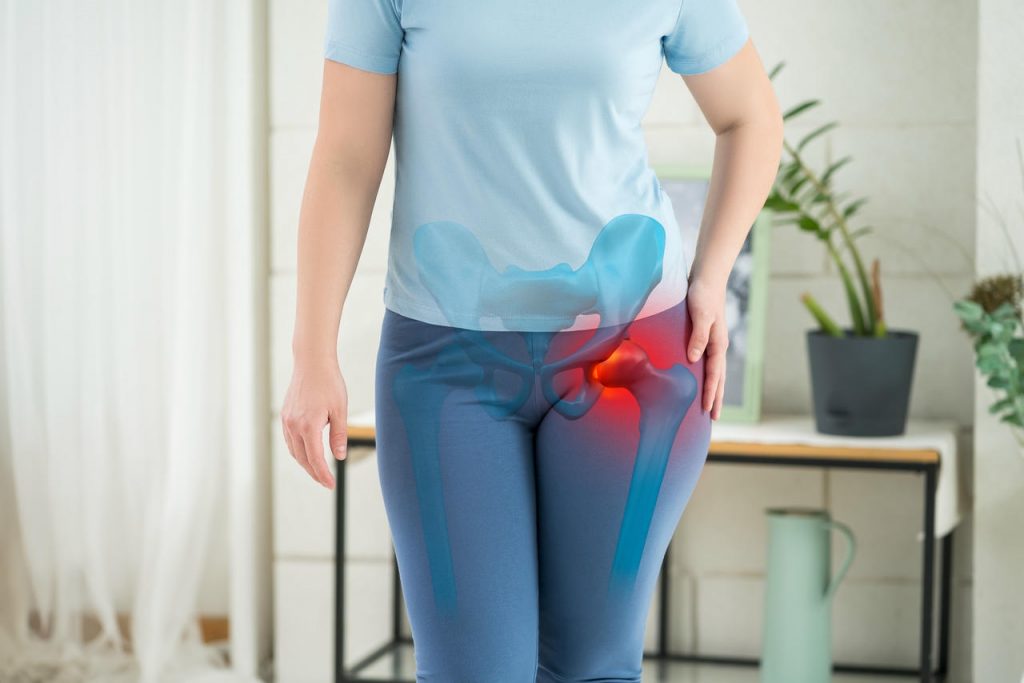
The hip is a crucial part of the body responsible for bearing weight and movement. When subjected to intense trauma, the hip joint is susceptible to significant issues, such as fractures, which can cause severe pain and reduced mobility. Timely medical attention helps facilitate recovery and prevents long-term health risks. What Is a Hip Fracture? […]
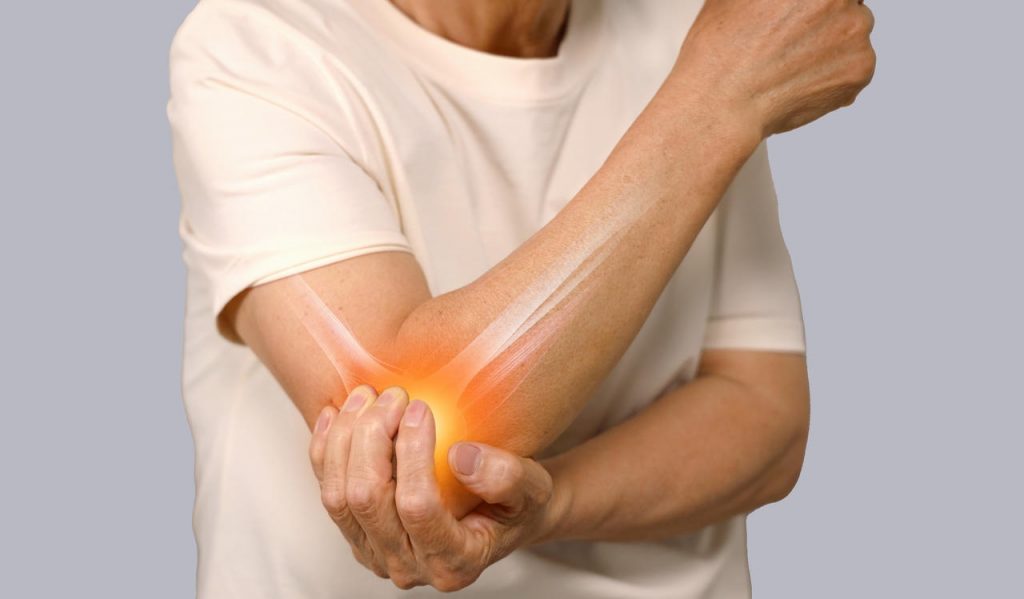
Being physically active and engaging in sports provides numerous health benefits. However, sports and repetitive physical activities also come with the risk of injury, especially for athletes who continuously push their limits. One common condition that affects both professional and recreational athletes is tennis elbow (lateral epicondylitis). Understanding what causes tennis elbow, its symptoms, and […]
Preventing knee injuries is challenging, especially for physically active individuals. Whether you are involved in sports, exercise or physically demanding activities, the risk of injury to the knee ligaments is always present. One of the most commonly injured ligaments is the medial collateral ligament (MCL). Understanding the causes, recognising the symptoms, and knowing the different […]
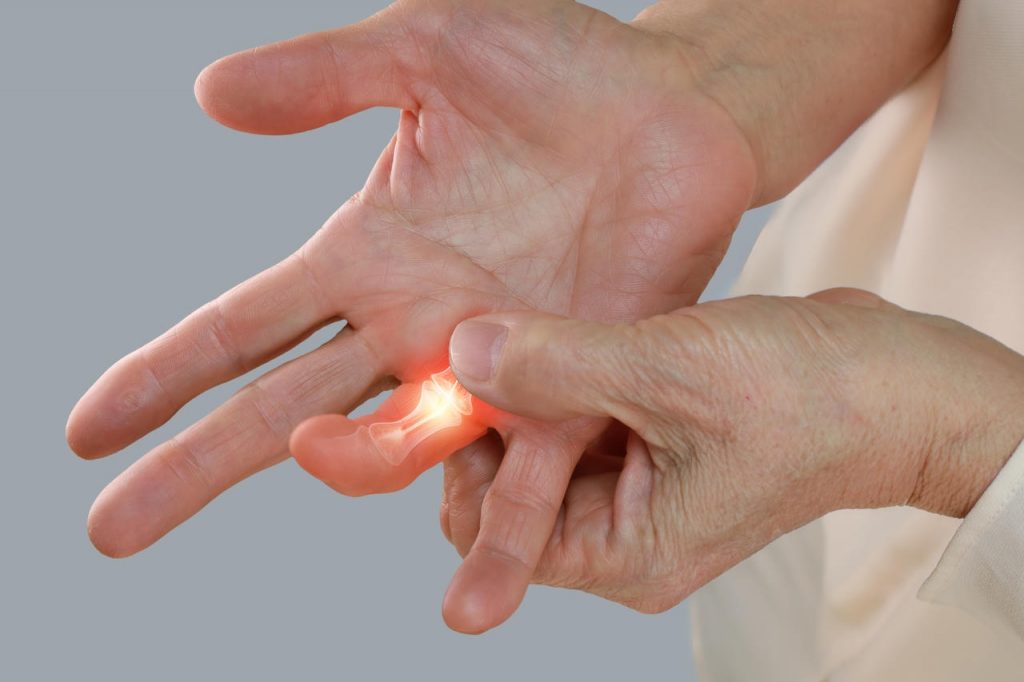
Normally, our fingers glide effortlessly as we grip and manipulate objects, allowing us to perform tasks like buttoning a shirt or holding a hammer. However, with trigger finger, the affected digit catches or locks when bent. This is often accompanied by a painful snapping sensation. This disruption to the finger’s mechanics severely limits our ability […]
What is Orthopaedics? Orthopaedics is a specialised field of medicine that provides comprehensive care for injuries, disorders, and diseases affecting the musculoskeletal system. The musculoskeletal system comprises our body’s intricate network of bones, joints, ligaments, muscles, nerves, and tendons. Orthopaedic surgeons utilise both surgical and non-surgical methods to treat a wide range of conditions and […]