




MMed (Orth), FRCS Orth & Tr (Edinburgh)
The meniscus plays an important role in cushioning and stabilising your knee, helping to absorb shock during walking, running and other daily movements. When it is torn, you may experience pain, swelling, or a catching sensation that affects your mobility. Choosing the right treatment approach can influence not only how quickly you recover but also the long-term health of your knee joint. Understanding the differences between meniscectomy and meniscus repair helps ensure your treatment plan is carefully tailored to your injury, lifestyle and recovery goals.
What Is a Meniscus Tear?
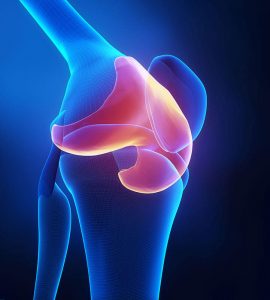
The meniscus is a C-shaped piece of cartilage in your knee that acts as a cushion between your thigh bone and your shin bone. Each knee has two menisci, which help absorb shock, distribute weight evenly, and improve joint stability.
A meniscus tear occurs when this cartilage is damaged. This can happen due to:
- Sudden twisting or pivoting movements, especially during sports.
- Squatting or lifting with a rotated knee.
- A direct impact to the knee.
-
Gradual wear and tear with ageing.
Common Symptoms
Patients with a meniscus tear may experience:
- Pain along the inner or outer side of the knee.
- Swelling that develops over hours or days.
- A catching, clicking or locking sensation.
- Difficulty fully straightening or bending the knee.
Do All Meniscus Tears Need Surgery?
Not all meniscus tears require surgery. The appropriate treatment depends on the type, size and location of the tear, as well as your symptoms and activity level.
Some smaller tears, particularly those caused by gradual wear and tear, may improve with rest, medication and physiotherapy. Strengthening the muscles around the knee can also help reduce strain on the joint and relieve discomfort. If pain settles and the knee does not lock or give way, non-surgical treatment may be sufficient.
However, surgery may be recommended if symptoms persist despite conservative care, if the knee frequently catches or locks, or if the tear is unlikely to heal on its own. For active individuals who wish to return to sports or physically demanding activities, surgical treatment may provide better long-term stability and function. An orthopaedic assessment helps determine the most suitable approach for your specific condition.
What Is a Meniscectomy?
A meniscectomy is a surgical procedure in which the damaged portion of the meniscus is carefully trimmed and removed. It is typically performed using minimally invasive “keyhole” (arthroscopic) techniques, which involve small incisions and a tiny camera to guide the procedure.
This option is usually recommended when the tear is located in an area with poor blood supply, where natural healing is unlikely. By removing the unstable fragment, the goal is to relieve pain, reduce catching or locking symptoms, and restore smoother knee movement.
What Is a Meniscus Repair?
Meniscus repair is a surgical procedure that aims to preserve the meniscus by stitching the torn pieces back together rather than removing them. Like meniscectomy, it is usually performed arthroscopically using small incisions and specialised instruments.
This option is typically considered when the tear occurs in an area with good blood supply, as this improves the chances of healing. Repair is often preferred in younger or more active patients because preserving the meniscus helps maintain its shock-absorbing function and protecs the knee joint in the long term.
Meniscectomy vs Meniscus Repair: Key Differences Explained
While both procedures treat a torn meniscus, they differ in purpose, recovery and long-term impact.
Meniscectomy
- Removes the damaged portion of the meniscus.
- Typically allows faster recovery and earlier return to daily activities.
- Suitable for tears that are unlikely to heal on their own.
Meniscus Repair
- Stitches the torn meniscus back together.
- Requires a longer recovery period to allow healing.
- Preserves more of the natural cushioning in the knee.
In general, meniscectomy offers quicker short-term relief, while meniscus repair focuses on preserving the joint for better long-term knee health. The most suitable option depends on the type, location and severity of the tear, as well as your activity goals.
Choosing the Right Treatment for Your Meniscus Tear
Both meniscectomy and meniscus repair have their benefits and considerations. The right choice balances symptom relief, recovery time and long-term joint protection. A personalised evaluation is key to achieving the best outcome.
Here at Quantum Orthopaedics, we provide specialist care for knee and sports-related injuries, including meniscus tears. Patients are assessed by Dr James Tan Chung Hui, who adopts a personalised approach by evaluating the tear pattern, symptom severity and individual activity goals before recommending the most appropriate treatment option. Schedule a consultation with our specialist if you are experiencing persistent knee pain, swelling or locking and we will help determine the best path toward recovery and joint protection.
Our Specialist at Your Service
Dr James Tan Chung Hui
MBBS (Singapore), MRCS (Edinburgh)
MMed (Orth), FRCS Orth & Tr (Edinburgh)
Dr James Tan Chung Hui is a Senior Consultant Orthopaedic Surgeon with over 15 years of experience in sports surgery and exercise medicine. He specialises in knee, shoulder and elbow injuries, including minimally invasive ligament and tendon repair, cartilage procedures and joint reconstruction. Dr Tan has treated national athletes and professional footballers and is actively involved in research and tissue engineering collaborations. He is an Adjunct Assistant Professor at NUS and a Fellow of the Royal College of Surgeons (Edinburgh).