



MMed (Orth), FRCS Orth & Tr (Edinburgh)
Ignoring knee pain is easy until it starts affecting how you walk, exercise or even sleep. What begins as mild discomfort can gradually turn into persistent pain, instability or reduced mobility if left untreated. While some knee problems resolve with rest, others may signal ligament injuries, cartilage damage, or early arthritis that require specialist care. Understanding the difference is key to protecting your joint health and preventing long-term complications.
What Is the Difference Between Mild and Serious Knee Pain?
Not all knee pain is cause for concern. It is common to experience temporary soreness after increased physical activity, a new exercise routine, or prolonged standing. Mild discomfort that improves with rest, ice, and simple pain relief measures is often related to muscle strain or overuse.
However, knee pain becomes more concerning when it does not improve after a few days, keeps returning, or gradually worsens over time. Persistent pain may indicate an underlying issue such as ligament injury, cartilage damage, meniscus tears, or early osteoarthritis. Unlike temporary soreness, these conditions typically do not resolve on their own and may require medical evaluation.
What Are the Common Causes of Knee Pain?
Knee pain can arise from a variety of conditions and while some may be mild and temporary, others may require targeted medical treatment. Identifying the underlying cause is essential, as appropriate management may range from simple conservative measures such as rest and physiotherapy to more advanced interventions when necessary.
Overuse and Activity-Related Strain
Repetitive movements such as running, jumping or frequent stair climbing can place excess stress on the knee joint. Over time, this can lead to irritation of tendons and soft tissues, especially in active individuals.
Ligament Injuries
Sudden twists, impacts, or falls can injure key knee ligaments like the anterior cruciate ligament (ACL) or the medial collateral ligament (MCL). These injuries often lead to pain, swelling and a feeling of instability or “giving way” in the knee.
Cartilage and Meniscus Damage
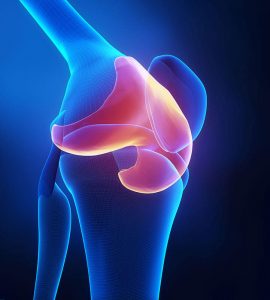
The knee’s shock-absorbing cartilage and meniscus can tear due to trauma, sports injuries or degeneration over time. Symptoms often include pain, swelling, catching or locking sensations.
Runner’s Knee (Patellofemoral Pain Syndrome)
Pain around or behind the kneecap, especially during activities like squatting, climbing stairs, or prolonged sitting, may be due to patellofemoral pain syndrome. This common condition often results from mechanical stress or tracking issues of the kneecap.
Osteoarthritis and Wear-and-Tear
Degeneration of joint cartilage causes bones to rub against each other, leading to persistent pain, stiffness, and reduced mobility. Osteoarthritis is a common cause of chronic knee discomfort, especially as people age.
Signs You Should See a Knee Specialist
While some knee discomfort improves with rest, certain symptoms should not be ignored. Seeking medical evaluation early can help prevent further joint damage and speed up recovery.
You should consider seeing a knee specialist if you experience:
- Pain that lasts more than 1–2 weeks despite rest or home treatment.
- Persistent or increasing swelling around the knee.
- Difficulty bearing weight or walking normally.
- A sensation of the knee “giving way” or instability.
- Locking, catching or clicking that affects movement.
- Reduced range of motion or stiffness that limits daily activities.
- Pain following a fall, twist or sports injury.
- Visible deformity or severe pain after an accident.
These signs may indicate ligament tears, cartilage injuries, meniscus damage, fractures, or progressive arthritis, which often require proper assessment and structured treatment.
What Are the Treatment Options for Knee Pain?
The right treatment for knee pain depends on the underlying cause, severity of symptoms, and your lifestyle needs. In many cases, early diagnosis allows for effective non-surgical management leading to a smoother recovery.
Non-Surgical Treatment Options for Knee Pain
For mild to moderate conditions, treatment may include:
- Activity modification to reduce strain on the knee.
- Physiotherapy to strengthen supporting muscles and improve stability.
- Medications to manage pain and inflammation.
- Bracing or supportive devices for added joint support.
- Injections (such as corticosteroid or other joint injections) to relieve inflammation and discomfort.
Many patients experience significant improvement with these conservative measures when started early.
Surgical Treatment Options for Knee Pain
Surgical treatment may be recommended if:
- There is a significant ligament tear.
- The meniscus is severely damaged.
- Symptoms persist despite conservative care.
- Arthritis has progressed and significantly affects mobility.
Advancements in minimally invasive techniques have improved recovery times and outcomes for suitable candidates.

Knee Care Tailored to Your Needs with Quantum Orthopaedics
Knee pain should never be ignored, especially when it persists or begins to interfere with your daily activities. Early evaluation allows for accurate diagnosis and timely treatment, helping to prevent further joint damage and support a smoother recovery. If you are experiencing ongoing knee discomfort, seeking professional assessment can give you clarity, confidence and a clear path toward lasting relief.
At Quantum Orthopaedics, we provide specialist evaluation and treatment for a wide range of knee conditions, from sports injuries to degenerative joint problems. Patients are assessed by Dr James Tan Chung Hui, who takes a personalised approach by carefully evaluating your symptoms, imaging findings, lifestyle demands and recovery goals before recommending the most appropriate treatment plan. If you are experiencing persistent knee pain, swelling, instability, or difficulty with daily activities, schedule a consultation with our specialist to receive a clear diagnosis and a tailored path toward recovery and long-term joint health.
Our Specialist at Your Service
Dr James Tan Chung Hui
MBBS (Singapore), MRCS (Edinburgh)
MMed (Orth), FRCS Orth & Tr (Edinburgh)
Dr James Tan Chung Hui is a Senior Consultant Orthopaedic Surgeon with over 15 years of experience in sports surgery and exercise medicine. He specialises in knee, shoulder and elbow injuries, including minimally invasive ligament and tendon repair, cartilage procedures and joint reconstruction. Dr Tan has treated national athletes and professional footballers and is actively involved in research and tissue engineering collaborations. He is an Adjunct Assistant Professor at NUS and a Fellow of the Royal College of Surgeons (Edinburgh).