



MMed (Orth), FRCS Orth & Tr (Edinburgh)
Not all knee pain is caused by a torn ligament or meniscus. In some cases, the issue lies in the smooth cartilage that allows your joint to glide effortlessly. When this protective layer is damaged, even everyday movements such as climbing stairs or standing up from a seated position can become uncomfortable and without proper treatment, the condition may gradually worsen.
Understanding the available treatment options early can help relieve symptoms, restore smoother joint movement and reduce the risk of long-term joint damage.
What Is a Knee Cartilage Injury?
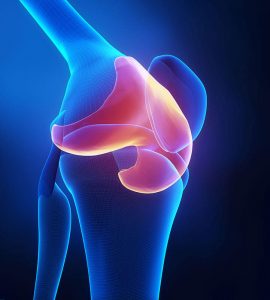
Cartilage is the smooth, protective tissue that covers the ends of your bones within the knee joint. It allows the bones to glide over each other with minimal friction and acts as a shock absorber during activities such as walking, running and jumping.
A knee cartilage injury occurs when this surface becomes damaged. This may result from a sports injury, a fall, a sudden twist of the knee, or gradual wear and tear over time. Unlike other tissues in the body, cartilage has a limited blood supply, which means it does not heal easily on its own.
Common symptoms include ongoing knee pain, swelling, stiffness, or a catching sensation during movement. If left untreated, cartilage damage may progress and increase the risk of long-term joint problems.
Non-surgical Treatment Options for Knee Cartilage Injuries
Not all knee cartilage injuries require surgery. For milder or early-stage damage, conservative treatment may help relieve symptoms and improve knee function.
Non-surgical options may include:
- Activity modification to reduce strain on the knee.
- Physiotherapy to strengthen supporting muscles and improve joint stability.
- Anti-inflammatory medications to manage pain and swelling.
- Injection therapies, where appropriate, to improve joint lubrication and reduce discomfort.
Surgical Treatment Options for Knee Cartilage Injuries
When symptoms persist despite conservative treatment, surgery may be considered to relieve pain and protect the knee joint. The choice of procedure depends on the size, location and depth of the cartilage damage, as well as your age and activity level.
Common surgical options include:
- Arthroscopic debridement, where damaged cartilage is smoothed to reduce irritation and improve joint movement.
- Microfracture surgery, which stimulates the body to form new cartilage-like tissue in areas of damage.
- Cartilage restoration procedures such as grafting techniques targeted at repairing or replacing damaged cartilage.
These procedures are typically performed using minimally invasive (keyhole) techniques. Your orthopaedic specialist will recommend the most appropriate option based on your individual condition and long-term goals.
How to Pick the Right Treatment for Knee Cartilage Injuries?
Selecting the most appropriate treatment for a cartilage injury involves more than just relieving current pain. The goal is to restore function while protecting the knee joint from further damage. Your specialist will consider several factors, including:
- The size and location of the cartilage defect.
- Your age and activity level.
- The presence of other knee conditions.
- Your recovery expectations and lifestyle goals.
Consult Our Doctor for the Right Knee Cartilage Treatment
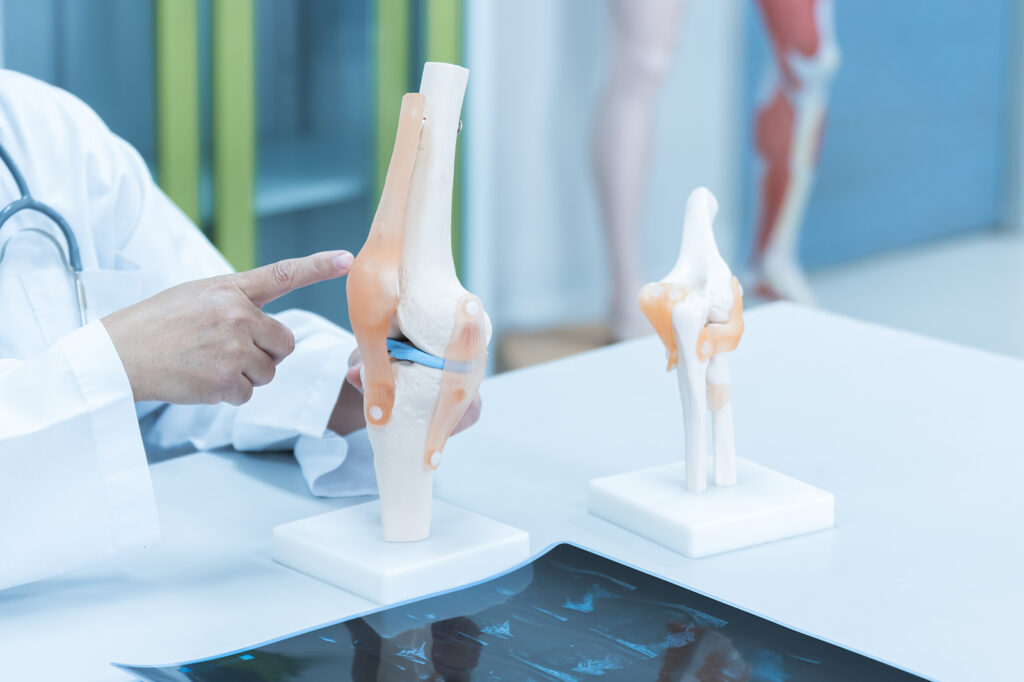
Knee cartilage injuries can progress if left untreated, but early and appropriate care can help relieve symptoms and protect long-term joint health. A specialist assessment allows you to understand your options clearly and take confident steps toward restoring comfort and function in your knee.
Here at Quantum Orthopaedics, we provide specialised care for knee cartilage injuries and other sports-related conditions. Patients benefit from the expertise of Dr James Tan Chung Hui, a highly experienced orthopaedic surgeon who has treated national athletes and professional footballers and leads tissue-engineering research with national grants. For those facing persistent knee pain or reduced mobility, a specialist consultation can help you understand your best treatment options and take confident steps toward lasting joint health.
Our Specialist at Your Service
Dr James Tan Chung Hui
MBBS (Singapore), MRCS (Edinburgh)
MMed (Orth), FRCS Orth & Tr (Edinburgh)
Dr James Tan Chung Hui is a Senior Consultant Orthopaedic Surgeon with over 15 years of experience in sports surgery and exercise medicine. He specialises in knee, shoulder and elbow injuries, including minimally invasive ligament and tendon repair, cartilage procedures and joint reconstruction. Dr Tan has treated national athletes and professional footballers and is actively involved in research and tissue engineering collaborations. He is an Adjunct Assistant Professor at NUS and a Fellow of the Royal College of Surgeons (Edinburgh).