




MBBS (Singapore), MRCS (Edinburgh)
MMed (Orth), FRCS Orth & Tr (Edinburgh)
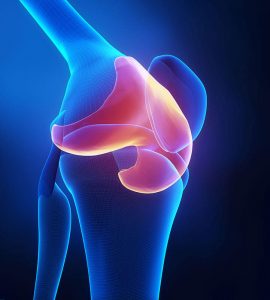
Knee cartilage plays an essential role in allowing the joint to move smoothly while absorbing the forces generated during everyday activities such as walking, climbing stairs and exercising. When this protective cartilage becomes damaged, the knee may no longer function as efficiently, leading to pain, swelling and reduced mobility. While some people dismiss these symptoms as a minor injury that will heal with time, untreated cartilage damage can gradually affect the health of the entire joint.
Unlike many other tissues, cartilage has a limited ability to repair itself because it has very little blood supply. As the damaged cartilage continues to wear away, the cushioning between the bones becomes less effective, placing greater stress on the joint. Over time, this may contribute to the development of early-stage osteoarthritis, where the cartilage begins to deteriorate but widespread joint damage has not yet occurred.
Seeking timely assessment allows a specialist to determine the extent of the injury and recommend appropriate knee cartilage treatment before more extensive joint damage develops. In suitable cases, early knee cartilage tear treatment may help preserve the natural knee joint and slow the degenerative changes associated with early-stage arthritis, reducing the likelihood of requiring more invasive surgery later in life.
Why Early Treatment Matters for a Knee Cartilage Tear
A cartilage tear does not always cause severe symptoms immediately. Some people experience only occasional discomfort, stiffness after activity or intermittent swelling. However, even mild symptoms may indicate damage that continues to affect the joint with every step.
As cartilage becomes worn or damaged, the smooth surface that allows bones to glide over one another begins to deteriorate. This increases friction within the knee, placing greater stress on the surrounding cartilage, bone and supporting structures. Over time, these changes may contribute to the gradual development of early-stage arthritis. At this stage, the joint may still function relatively well, but the cartilage has already begun to break down. Without appropriate management, continued wear may eventually lead to more advanced arthritis and increasing limitations in daily activities.
Seeking knee cartilage injury treatment early offers several advantages:
- Helps identify the extent and location of cartilage damage before it progresses
- May prevent further deterioration of healthy cartilage
- Reduces ongoing stress within the joint
- Supports better knee function and mobility
- Creates more opportunities for joint-preserving treatment where appropriate
Although early-stage arthritis cannot always be prevented, identifying and managing cartilage damage promptly may help slow its progression by reducing ongoing stress within the joint and preserving as much healthy cartilage as possible.
How Knee Cartilage Treatment Helps Protect Your Joint
While pain relief is an important goal, effective knee cartilage treatment also aims to protect the joint over the long term. By maintaining healthy cartilage and restoring normal knee function, treatment may help slow the degenerative changes associated with early-stage osteoarthritis. While treatment cannot reverse established arthritis, addressing cartilage damage early may help preserve joint health for longer.
Early treatment may help protect the joint in several ways.
Reducing ongoing cartilage damage
Damaged cartilage creates uneven pressure across the knee. Addressing the injury early may reduce abnormal loading that could otherwise accelerate wear on surrounding healthy cartilage. This may help slow the progression of cartilage degeneration that characterises the early stages of osteoarthritis.Improving joint stability and movement
Cartilage injuries are sometimes accompanied by other knee problems that affect joint stability or alignment. Identifying and managing these contributing factors helps the knee move more efficiently, reducing unnecessary stress during everyday activities. This can reduce excessive wear on the cartilage and help protect the joint over time.Maintaining an active lifestyle
Persistent knee pain often leads people to reduce their activity levels. While temporary activity modification may be necessary during recovery, prolonged inactivity can contribute to muscle weakness, reduced flexibility and poorer joint support. Appropriate treatment and rehabilitation help patients regain confidence in using their knee safely.Delaying more invasive surgery
One of the most important benefits of early intervention is the opportunity to retain joint function. When cartilage damage is identified before widespread arthritis develops, some patients may be suitable candidates for procedures that repair or restore damaged cartilage rather than replacing the joint altogether. Preserving healthy cartilage may help slow further joint degeneration in suitable patients, potentially delaying the progression of early-stage arthritis.
What Are the Treatment Options for a Knee Cartilage Tear?
Once a cartilage tear has been assessed, treatment is tailored to the individual based on the nature of the injury and the condition of the knee joint. The most appropriate knee cartilage tear treatment depends on several factors, including the size and location of the injury, your age, activity level, overall knee health and whether arthritis is already present. After assessing these factors, your orthopaedic specialist will recommend a treatment plan that aims to relieve symptoms, restore function and protect the joint over the long term.
-
Non-surgical treatment
Not every cartilage injury requires surgery. Smaller injuries or symptoms that are manageable may initially be treated with conservative measures, including:
- Activity modification
- Physiotherapy to strengthen the muscles supporting the knee
- Pain-relieving or anti-inflammatory medications where appropriate
- Weight management to reduce pressure on the joint
- Selected injections where clinically indicated
These approaches aim to reduce symptoms, improve function and support the knee while monitoring recovery. Some patients experience sufficient symptom relief without surgery, while others may require further treatment if symptoms persist or the injury progresses.
-
Cartilage repair and restoration procedures
Unlike physiotherapy or medication, which primarily help manage symptoms, cartilage repair procedures aim to restore or regenerate damaged areas of cartilage where appropriate. For cartilage tears that are unlikely to heal on their own or continue to cause symptoms despite conservative treatment, surgery may be considered to protect long-term knee health and improve function.
Depending on the size, depth and location of the defect, surgical options may include:
- Microfracture: stimulates the growth of repair tissue by creating small holes in the underlying bone.
- Osteochondral grafting (OATS or mosaicplasty): transfers healthy cartilage and bone from another area of the joint or from a donor.
- Autologous chondrocyte implantation (ACI): uses the patient’s own cartilage cells to regenerate cartilage in selected cases.
By repairing or restoring localised cartilage defects, these procedures aim to improve the joint surface and reduce abnormal loading across the knee.
Each technique has specific indications, benefits and limitations. An orthopaedic specialist will consider the characteristics of the cartilage injury, knee alignment, ligament stability and the patient’s activity level when determining the most appropriate approach.
-
Knee replacement surgery
When cartilage loss has progressed to advanced arthritis involving large areas of the knee, repairing the remaining cartilage may no longer be possible. In these situations, knee replacement surgery may provide the most effective long-term solution for relieving pain and restoring function.
While knee replacement has excellent outcomes for many patients, identifying cartilage damage before arthritis becomes advanced may provide more opportunities to preserve the natural knee joint where clinically appropriate.
When Is Cartilage Repair Recommended?
Not every patient with a cartilage injury will require or benefit from cartilage repair. Specialists consider several factors before recommending this approach.
Cartilage repair is generally more suitable for patients who have:
- A localised area of cartilage damage rather than widespread arthritis
- Relatively healthy surrounding cartilage and bone
- Stable knee ligaments
- Good knee alignment or alignment that can be corrected if necessary
- Symptoms that correspond to the cartilage defect
- A desire to maintain an active lifestyle
Patients with more advanced osteoarthritis affecting multiple parts of the knee are generally less likely to benefit from cartilage repair because the joint has already undergone more extensive degeneration.
This highlights the importance of seeking medical attention before symptoms become severe. Early diagnosis provides a wider range of treatment options and may increase the opportunity to maintain healthy knee cartilage.
Taking the Next Step Towards Long-Term Knee Health
A knee cartilage tear is more than a temporary injury. Without appropriate management, ongoing cartilage damage may gradually contribute to early-stage osteoarthritis, increasing pain, stiffness and reducing knee function over time. Although not every cartilage tear leads to arthritis, early assessment and appropriate treatment may help preserve healthy cartilage, slow further joint degeneration and maintain mobility for longer. Seeking assessment early allows specialists to identify the cause of your symptoms and recommend the most appropriate treatment before more extensive damage occurs.
At Quantum Orthopaedics, we provide personalised assessment and knee cartilage treatment tailored to each patient’s condition, activity level and long-term goals. Our orthopaedic surgeon, Dr James Tan Chung Hui, carefully evaluates each cartilage injury and recommends evidence-based treatment aimed at preserving the natural knee joint whenever possible. If you are experiencing persistent knee pain, swelling or reduced mobility after a knee injury, book an appointment today to discuss your treatment options and protect your long-term joint health.
FAQs About Knee Cartilage Tear Treatment
Can a small knee cartilage tear heal without surgery?
Some small cartilage injuries may be managed without surgery if symptoms are mild and the knee remains stable. However, cartilage has a limited ability to heal on its own because it has very little blood supply. A specialist can assess whether conservative management is appropriate or if further treatment is needed to help protect the joint.
Can a cartilage tear lead to arthritis?
Yes, untreated cartilage tears may increase the risk of developing osteoarthritis over time by placing greater stress on the joint. However, not every cartilage tear progresses to arthritis. Early assessment and appropriate treatment may help preserve healthy cartilage and reduce further joint degeneration.
How do I know if my knee pain is caused by a cartilage tear or arthritis?
A cartilage tear and arthritis can cause similar symptoms, including pain, swelling and stiffness. However, cartilage tears often occur after an injury and may cause catching or locking sensations, while arthritis tends to develop gradually over time. A clinical examination and imaging tests, such as an MRI or X-ray, help determine the underlying cause and guide treatment.
How long does recovery take after knee cartilage treatment?
Recovery depends on the type of treatment you receive and the extent of the cartilage injury. Conservative treatment may take several weeks, while recovery after cartilage repair procedures can take several months because the repaired cartilage needs time to heal. Your specialist will recommend a rehabilitation programme based on your individual treatment plan.
Our Specialist at Your Service
Dr James Tan Chung HuiSenior Consultant Orthopaedic SurgeonMBBS (Singapore), MRCS (Edinburgh)MMed (Orth), FRCS Orth & Tr (Edinburgh)
Dr James Tan Chung Hui is a Senior Consultant Orthopaedic Surgeon with over 15 years of experience in sports surgery and exercise medicine. He specialises in knee, shoulder and elbow injuries, including minimally invasive ligament and tendon repair, cartilage procedures and joint reconstruction. Dr Tan has treated national athletes and professional footballers and is actively involved in research and tissue engineering collaborations. He is an Adjunct Assistant Professor at NUS and a Fellow of the Royal College of Surgeons (Edinburgh).