



MBBS (Singapore), MRCS (Edinburgh)
MMed (Orth), FRCS Orth & Tr (Edinburgh)
Many athletes are familiar with the experience of pushing through mild knee discomfort, hoping it will settle with rest or reduced training. However, when pain continues to return during running, squatting or other repetitive movements, it may begin to interfere with both performance and motivation over time.
Because knee pain in active individuals is often influenced by movement patterns and training habits, understanding the mechanics behind the problem may help reduce the risk of recurring symptoms and support safer long-term training.
What Is Runner’s Knee?
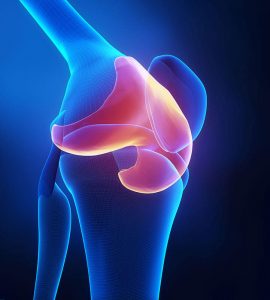
Runner’s knee, also known as patellofemoral pain syndrome (PFPS), refers to pain that develops around or behind the kneecap during physical activity. Although the condition is commonly associated with running, it can also affect athletes and active individuals who participate in activities involving repetitive knee bending, jumping or squatting.
The discomfort is usually linked to irritation within the patellofemoral joint, where the kneecap (patella) moves against the thigh bone (femur) during movement. When repetitive stress is placed on this area, the surrounding tissues may become irritated and painful over time.
Common symptoms of runner’s knee may include:
- Pain around or behind the kneecap
- Discomfort during running, stair climbing or squatting
- Pain that worsens after prolonged sitting
- Clicking or grinding sensations during knee movement
- Mild swelling or stiffness around the front of the knee
Because runner’s knee often develops gradually, some athletes may continue training despite mild symptoms until the pain becomes more persistent or begins affecting performance.
How Does the Patella Normally Move?
The patella, or kneecap, sits within a groove at the front of the thigh bone known as the femoral groove. During movements such as walking, running, squatting or climbing stairs, the patella is designed to glide smoothly up and down within this groove as the knee bends and straightens.
This movement helps distribute forces through the knee joint efficiently while also improving the leverage of the quadriceps muscles at the front of the thigh. Healthy cartilage beneath the patella helps reduce friction and allows the joint surfaces to move smoothly during activity.
For the patella to track properly, several parts of the lower body must work together in coordination, including:
- The quadriceps muscles
- The hip and gluteal muscles
- The tendons and ligaments around the knee
- The alignment of the hips, knees and ankles
Why Does the Patella “Misbehave” in Runner’s Knee?
In runner’s knee, the patella may no longer glide smoothly within the femoral groove during movement. Instead, uneven pressure or poor tracking of the kneecap can increase stress within the patellofemoral joint, leading to irritation and pain around the front of the knee over time.
Several biomechanical factors can contribute to this altered movement, including:
- Muscle imbalances: Weak hip, gluteal or quadriceps muscles may reduce lower limb stability and affect patellar tracking.
- Tight surrounding structures: Tightness in the iliotibial (IT) band, calves or hamstrings may influence knee alignment and movement mechanics.
- Poor movement control: Inadequate control of hip, knee or ankle movement during running, jumping or landing may increase stress on the kneecap.
- Training errors: Sudden increases in running distance, intensity or training frequency may overload the knee joint before the body adapts.
- Running mechanics and footwear: Running form, footwear support and training surfaces may all influence how force is distributed through the knee.
Because runner’s knee is often related to movement mechanics rather than a single structural injury, symptoms may continue recurring unless the contributing factors are properly addressed.
How Can Athletes Reduce the Risk of Recurring Runner’s Knee?
Reducing the risk of recurring runner’s knee often involves addressing the movement and training factors that place excessive stress on the patellofemoral joint. Because the condition is commonly linked to biomechanics and repetitive loading, long-term management usually focuses on improving movement efficiency rather than simply resting the knee.
Strengthening the hip, gluteal and core muscles may help improve lower limb stability and support better knee alignment during running and exercise. Mobility work and flexibility training may also help address tightness in structures such as the calves, hamstrings and iliotibial (IT) band, which can affect movement mechanics around the knee.
Training progression is equally important. Sudden increases in running distance, intensity or training frequency may overload the knee joint before the surrounding muscles and tissues have adapted sufficiently. Running mechanics, footwear support and recovery habits may also influence how forces are distributed through the knee during activity.
When Should Persistent Knee Pain Be Evaluated?
Although mild knee discomfort may occasionally occur after intense training or increased activity, persistent or recurring pain should not be ignored, especially when symptoms begin affecting training consistency, performance or everyday movement.
Medical evaluation may be recommended if knee pain:
- Continues despite rest or activity modification
- Frequently returns during running or exercise
- Is associated with swelling, instability or locking sensations
- Begins limiting sports participation or daily activities
Persistent knee pain may sometimes require further imaging to assess cartilage health and rule out structural injuries that may require treatments such as knee cartilage repair or other orthopaedic procedures.
Managing Runner’s Knee for Long-Term Performance
Runner’s knee is often influenced by movement mechanics, training habits and force distribution through the lower body during activity. Understanding the biomechanical factors contributing to patellofemoral pain syndrome may help athletes make more informed decisions about training, recovery and injury prevention. Early assessment and appropriate knee pain treatment may also help reduce the risk of recurring symptoms and prolonged disruption to physical activity.
Quantum Orthopaedics provides assessment and treatment for runner’s knee, patellofemoral pain syndrome and other sports-related knee conditions affecting athletes and active individuals. Dr James Tan Chung Hui works closely with patients to identify contributing biomechanical factors and develop personalised treatment strategies that support recovery, performance and long-term joint health. Arrange a consultation with us if persistent knee pain is affecting your training, mobility or ability to return to sport.
FAQs About Runner’s Knee
Should I stop exercising completely if I have runner’s knee?
Not always. Some athletes may continue modified training depending on symptom severity, although persistent pain should be properly assessed before returning to full activity.
Is imaging always required for runner’s knee?
Imaging is not always necessary initially, although X-rays or MRI scans may sometimes be recommended to rule out cartilage injuries or other structural knee conditions.
How long does recovery from runner’s knee usually take?
Recovery timelines vary depending on symptom severity, training habits and whether contributing biomechanical factors are addressed appropriately.
Our Specialist at Your Service
Dr James Tan Chung HuiSenior Consultant Orthopaedic SurgeonMBBS (Singapore), MRCS (Edinburgh)MMed (Orth), FRCS Orth & Tr (Edinburgh)
Dr James Tan Chung Hui is a Senior Consultant Orthopaedic Surgeon with over 15 years of experience in sports surgery and exercise medicine. He specialises in knee, shoulder and elbow injuries, including minimally invasive ligament and tendon repair, cartilage procedures and joint reconstruction. Dr Tan has treated national athletes and professional footballers and is actively involved in research and tissue engineering collaborations. He is an Adjunct Assistant Professor at NUS and a Fellow of the Royal College of Surgeons (Edinburgh).