



MBBS (Singapore), MRCS (Edinburgh)
MMed (Orth), FRCS Orth & Tr (Edinburgh)
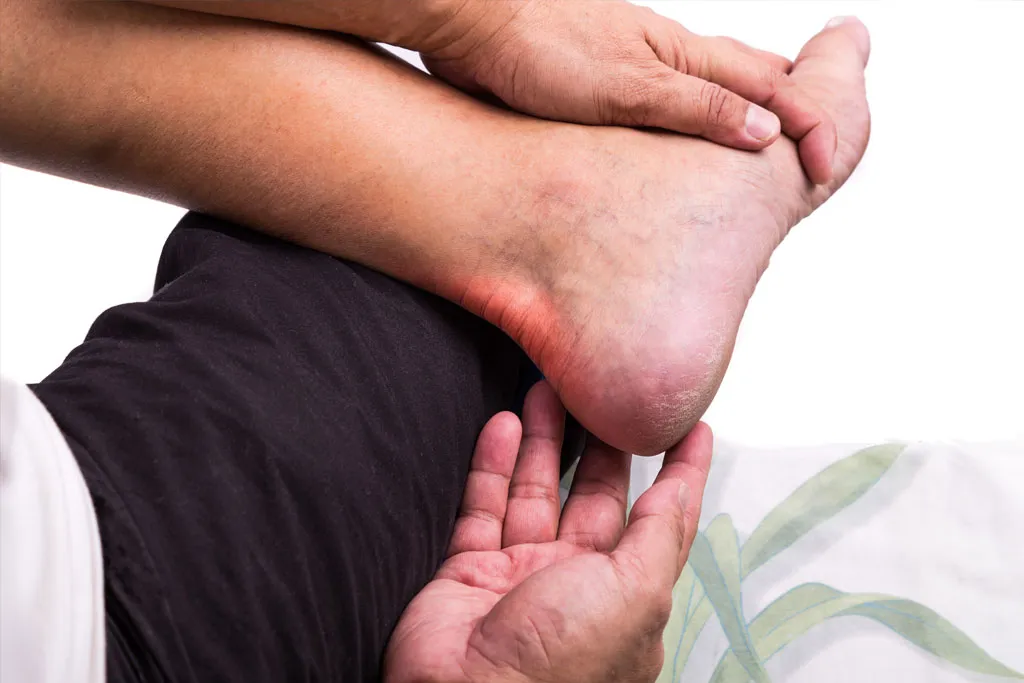
That sharp, stabbing sensation during your first steps out of bed is a jarring transition from rest to acute pain. While this first-step agony often dissipates after a few minutes of movement, this relief creates a false sense of security that the injury is minor. In reality, this morning flare-up can be an early sign of strain in your foot’s connective tissues.
To resolve this pain, we must look beyond surface soreness and examine the underlying mechanics of the foot. The intense morning sting occurs because tissues stiffen overnight and are suddenly stretched when you stand.
Therefore, it’s important to understand how your body’s overnight repair cycle actually leaves the tissue vulnerable to this morning agony, so that you can prevent the condition from becoming long-term and restore your mobility.
The Biochemistry of Inactivity: Why Rest Isn’t Always Recovery
While rest is typically associated with healing,inactivity can leave your heel feeling stiff and more sensitive when you first move. The morning’s agony is the result of a three-stage cycle that occurs while you sleep:
Stage 1: The Cold Tissue Phenomenon —
As the foot remains still for hours, the viscoelastic collagen fibres of the plantar fascia lose their pliability and become stiffer after prolonged rest due to reduced movement and circulation.Stage 2: Nocturnal Shortening —
This stiffness is locked in by your sleeping posture; resting with toes pointed down can keep the fascia in a slightly shortened position, causing the body to remain in a shortened position overnight.Stage 3: The First-Step Micro-Trauma —
The cycle culminates the moment you stand, as your full body weight suddenly stretches this stiff tissue, triggering sharp pain.
Why Your Heel Hurts Most in the Morning
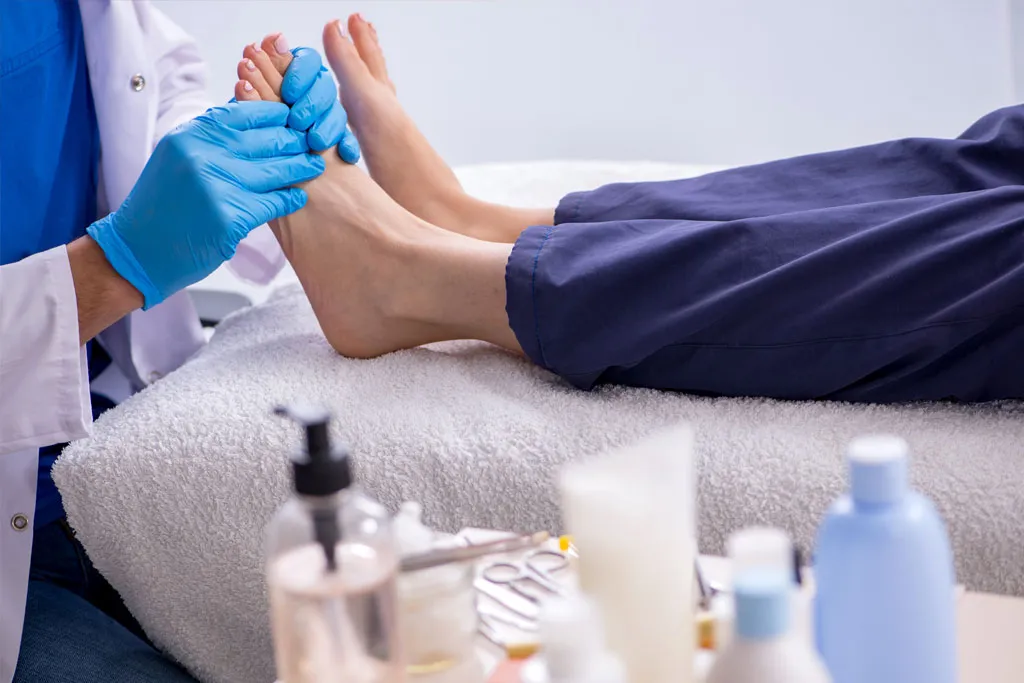
Morning heel pain is not just about the bottom of your foot. Your foot is connected to your calf and leg, so tightness higher up can affect how your heel feels when you first stand.
Here are three simple reasons why those first steps can hurt:
Tight Calf Muscles
Your calf muscles and Achilles tendon connect directly to your heel. If your calves are tight, they pull on your heel even before you get out of bed, increasing strain when you take your first step.Stiff Tissues After Rest
While you sleep, the tissues around your heel and tendon are less active and not as well-lubricated. This makes them feel stiff, so when you move, they do not glide smoothly and can feel tight or painful.Sudden Stretching When You Step
When you take your first step, your foot naturally stretches to support your weight. This puts pressure on the already stiff and sensitive heel, causing that sharp pain.
Structural Red Flags: When Is It More Than Just Plantar Fasciitis?
While the plantar fascia is the most common culprit, morning heel pain can sometimes be caused by other underlying conditions that require a different clinical approach. Identifying these red flags is essential to ensure you’re not treating a nerve or bursa problem with a ligament-focused protocol:
Infracalcaneal Bursitis
Unlike the sharp, rope-like tension of the fascia, bursitis involves the inflammation of the fluid-filled sac directly under the heel bone. This pain often feels like a deep, dull throb or a bruised sensation that is highly sensitive to direct vertical pressure during that first step.Baxter’s Nerve Entrapment
This condition involves the compression of the first branch of the lateral plantar nerve. It’s frequently misdiagnosed as simple heel pain, but it can be distinguished by pain that radiates along the side of the heel or a heavy feeling in the foot that persists even after the tissue has warmed up.Tarsal Tunnel Syndrome
If your morning symptoms include tingling, numbness, or a burning sensation rather than just a stabbing ache, the issue may be a nerve bottleneck. This occurs when the posterior tibial nerve is compressed, causing neurological symptoms that can mimic heel pain but originate from a different mechanical source.
The Transition to Chronic Injury: From Fasciitis to Fasciosis
When heel pain persists for months, the biological nature of the injury may shift from inflammation to longer-term tissue changes. You should monitor your symptoms for these specific indicators that your body has stopped trying to heal and has instead begun to compensate for chronic mechanical strain:
Evidence of Collagen Degeneration
If your morning pain has lasted for more than three months, you have likely transitioned from acute fasciitis to a degenerative state called fasciosis. In this phase, the collagen fibres are no longer just inflamed; they are actually breaking down at a cellular level, with reduced healing capacity over time.The Formation of Heel Spurs
Contrary to the common myth, heel spurs are a result of chronic tension and bone adaptation rather than the primary cause of your agony. As the fascia pulls incessantly on the calcaneus, your body deposits calcium to reinforce the attachment point, creating a bony protrusion that signals long-term mechanical stress.Failure of Conservative Home Care
A major red flag is when standard rest, ice, and basic stretches no longer provide relief. This occurs because the problem is no longer active inflammation but a fundamental failure of the tissue architecture, and may require clinical treatment to support proper healing.Decreased Pain Threshold During Weight-Bearing
When the tissue reaches a degenerative state, the pain may start to appear earlier in the day or after shorter periods of standing. This indicates that the fascia has lost its elastic resilience and is physically changing its architecture to survive the stress, which can affect your mobility over time.
Get Precise Diagnosis and Treatment for Chronic Heel Pain
Seeking clinical treatment at the first sign of morning agony can help prevent the condition from becoming chronic. Early intervention supports proper healing and recovery through non-invasive means before the fascia physically changes its architecture or forms permanent bone spurs. By addressing the kinetic chain and nocturnal shortening now, you prevent a morning nuisance from becoming a chronic mobility limitation.
At Quantum Orthopaedics, we provide comprehensive assessments to pinpoint the exact source of your discomfort. Dr James Tan Chung Hui specialises in precision diagnosis and advanced regenerative therapies for complex heel conditions. Stop letting chronic stiffness dictate your quality of life—Book an appointment with us today to start your personalised recovery programme.
Frequently Asked Questions (FAQs) About Heel Pain
Does the type of floor I step on first thing in the morning matter?
Yes, stepping directly onto hard surfaces like tile or hardwood forces an immediate, unforgiving stretch on the plantar fascia. Using cushioned slippers or stepping onto a soft rug provides a buffer that allows the tissue to elongate more gradually, reducing the strain during your first steps.
Why does the pain go away after 10 minutes of walking?
As you move, increased blood flow warms the tissue and restores its thixotropic properties, making the fascia more fluid and pliable. This can reduce pain temporarily, even though the underlying issue may still be present.
Are night splints actually effective?
Night splints are highly effective because they keep the foot in a neutral position, preventing the fascia from healing in a shortened, contracted state overnight. By maintaining this gentle stretch, they eliminate the sudden elongation shock during your first steps, significantly reducing morning agony.
Meet Our Heel Specialist in Singapore
Dr James Tan Chung HuiMBBS (Singapore), MRCS (Edinburgh)MMed (Orth), FRCS Orth & Tr (Edinburgh)
Dr James Tan Chung Hui is a Senior Consultant Orthopaedic Surgeon with over 15 years of experience in sports surgery and exercise medicine. He specialises in knee, shoulder and elbow injuries, including minimally invasive ligament and tendon repair, cartilage procedures and joint reconstruction. Dr Tan has treated national athletes and professional footballers and is actively involved in research and tissue engineering collaborations. He is an Adjunct Assistant Professor at NUS and a Fellow of the Royal College of Surgeons (Edinburgh).