



MBBS (Singapore), MRCS (Edinburgh)
MMed (Orth), FRCS Orth & Tr (Edinburgh)
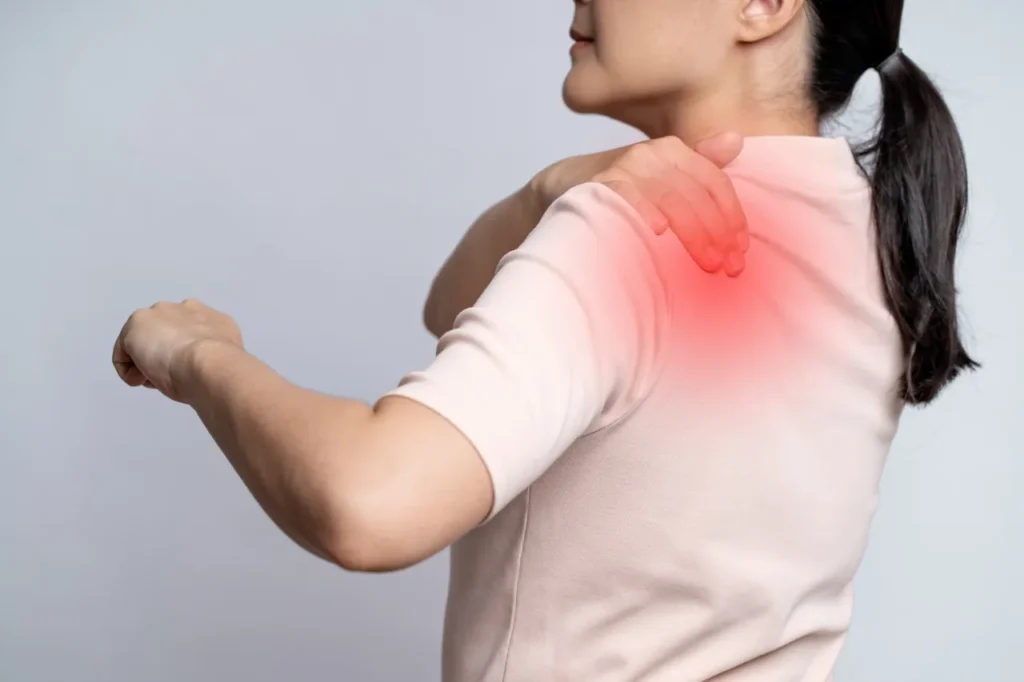
Have you noticed shoulder pain when reaching for something on a high shelf, putting on a shirt or lifting your arm during exercise? Movements that once felt effortless may gradually become uncomfortable, leaving you wondering whether you have strained your shoulder or developed something more persistent.
One possible explanation is shoulder impingement, a condition associated with pain during certain arm movements. However, the reasons behind this discomfort are not always as straightforward as they may seem.
What Is Shoulder Impingement?
Shoulder impingement refers to pain involving the structures around the rotator cuff and the space beneath the acromion, a bony projection at the top of your shoulder. The rotator cuff consists of muscles and tendons that help stabilise your shoulder and control arm movements.
Traditionally, shoulder impingement was thought to occur when the rotator cuff tendons became compressed beneath the acromion, sometimes due to a bone spur. However, this explanation does not tell the whole story.
Shoulder pain can also arise from tendon degeneration, inflammation, altered shoulder mechanics or changes in how the surrounding muscles function. Bone spurs can also be present without causing symptoms, meaning their presence alone does not necessarily explain your pain.
Why Does Shoulder Impingement Cause Pain When Raising Your Arm?
Raising your arm requires coordinated movement between your upper arm bone, shoulder blade and surrounding muscles. When this movement becomes uncomfortable, you may experience a painful arc, typically when lifting your arm between approximately 60 and 120 degrees.
Several factors may contribute to this discomfort:
- Rotator cuff irritation: Tendon changes may make certain movements painful
- Bursal inflammation: Irritation of the subacromial bursa can contribute to discomfort
- Muscle weakness: Reduced strength may affect shoulder stability and movement control
- Shoulder mechanics: Changes in shoulder blade movement can alter how forces are distributed
Because these factors may overlap, the pattern and severity of discomfort can differ from one person to another.
How Is Shoulder Impingement Related to Rotator Cuff Problems?
Shoulder impingement and rotator cuff conditions frequently overlap, but they are not necessarily the same diagnosis. Rotator cuff tendinopathy involves changes affecting the tendons, while a rotator cuff tear refers to partial or complete disruption of tendon fibres.
Both conditions may cause pain during overhead movements. However, a tear may also produce noticeable weakness, particularly when lifting or rotating your arm. However, shoulder pain does not necessarily mean that a rotator cuff tear is present. Similarly, tendon abnormalities identified through imaging may not always be responsible for the symptoms you experience.

What Are the Treatment Options for Shoulder Impingement?
Most cases can initially be managed with non-surgical shoulder impingement treatment, with the approach depending on your symptoms, shoulder function and any underlying tendon problems.
Non-Surgical Treatment
Treatment may involve:
- Physiotherapy: Strengthening the rotator cuff and shoulder blade muscles to improve movement and stability
- Activity modification: Adjusting activities that aggravate your symptoms while maintaining comfortable shoulder movement
- Medication: Managing pain and inflammation to support daily activities
- Corticosteroid injections: Providing short-term pain relief in selected cases to facilitate rehabilitation
Together, these measures can help manage symptoms and make everyday shoulder movements more comfortable.
When Might Surgery Be Considered?
Shoulder impingement surgery may be considered when symptoms persist despite appropriate non-surgical treatment, particularly if an associated structural problem is identified. Depending on the findings, arthroscopic shoulder surgery may be used to address damaged tissues, while rotator cuff repair may be recommended for certain tendon tears.
However, surgery is not always necessary. Simply removing bone to create more space beneath the acromion has not been shown to provide meaningful benefits for isolated subacromial pain. This is why surgical decisions should focus on whether there is a specific problem that an operation can meaningfully address.
Finding Relief From Shoulder Impingement
Shoulder pain can be frustrating when it begins interfering with simple movements you previously took for granted. Fortunately, shoulder impingement does not always require surgery, and many people can improve with appropriate treatment. The important thing is to understand what is causing your discomfort and what can be done to help you move more comfortably again.
At Quantum Orthopaedics in Singapore, Dr James Tan Chung Hui can help you make sense of your shoulder symptoms and explore shoulder injury treatment options suited to your needs. Whether you are struggling with everyday movements or hoping to return to activities you enjoy, schedule a consultation and take the first step towards finding relief.
Frequently Asked Questions (FAQs) About Shoulder Impingement
Can shoulder impingement affect your sleep?
Yes, shoulder impingement can cause discomfort at night, particularly when lying on the affected side. Supporting your arm with a pillow and avoiding pressure on the painful shoulder may help you sleep more comfortably.
Can you continue exercising with shoulder impingement?
You may still be able to exercise, although activities involving repeated overhead movements or heavy lifting may aggravate your symptoms. Adjusting your routine and gradually rebuilding strength can help you stay active while managing discomfort.
Can poor posture contribute to shoulder impingement?
Posture may influence how your shoulder muscles and joints function, but it is rarely the sole cause of shoulder impingement. Taking regular movement breaks and avoiding prolonged static positions may help reduce stiffness and discomfort.
Meet Our Doctor
Dr James Tan Chung Hui
MBBS (Singapore), MRCS (Edinburgh)
MMed (Orth), FRCS Orth & Tr (Edinburgh)
Dr James Tan Chung Hui is a Senior Consultant Orthopaedic Surgeon with over 15 years of experience in sports surgery and exercise medicine. He specialises in knee, shoulder and elbow injuries, including minimally invasive ligament and tendon repair, cartilage procedures and joint reconstruction. Dr Tan has treated national athletes and professional footballers and is actively involved in research and tissue engineering collaborations. He is an Adjunct Assistant Professor at NUS and a Fellow of the Royal College of Surgeons (Edinburgh).