



MBBS (Singapore), MRCS (Edinburgh)
MMed (Orth), FRCS Orth & Tr (Edinburgh)
For many people living with chronic knee pain and reduced mobility, total knee replacement can offer significant improvements in comfort, function, and quality of life. However, while the surgery itself is important, recovery plays an equally significant role in determining the overall outcome.
One of the most common misconceptions about knee replacement surgery is that pain disappears immediately and normal activities can be resumed within several weeks. In reality, recovery is a gradual process that requires time, patience, and commitment to rehabilitation.
Understanding what to expect after knee replacement surgery can help you prepare your home, plan your daily routine, and approach recovery with realistic expectations.
The First Few Days After Knee Replacement Surgery
The first few days after knee replacement surgery are often the most challenging. It is normal to experience pain, swelling, bruising, and stiffness as your body begins to heal.
Many patients begin standing and walking with assistance within a day of surgery. While this may feel difficult at first, early movement helps restore mobility and supports recovery.
During this initial phase, it is common to experience:
- Pain and tenderness around the operated knee
- Swelling and bruising
- Stiffness when moving the joint
- Fatigue and reduced energy levels
- Difficulty with certain daily activities
Pain management strategies and rehabilitation exercises will be provided by your healthcare team to support your recovery. The focus during this stage is on safely regaining mobility rather than returning to normal activities immediately.
Understanding Your Recovery Timeline
Recovery after total knee replacement varies from person to person, but most patients follow a similar general timeline.
-
Weeks 1-6:
Managing swelling, improving knee movement, and gradually increasing walking distance
-
Weeks 6-12:
Building strength and returning to more daily activities
-
Months 3-6:
Continued improvements in mobility, balance, and endurance
-
Beyond 6 months:
Ongoing gains in function and confidence with movement
Recovery is rarely linear, and individual progress may differ depending on factors such as age, overall health, and pre-operative function. Consistent participation in physiotherapy and home exercises remains one of the most important factors in achieving a good recovery outcome after knee replacement surgery. Patients should follow the recovery plan and activity recommendations provided by their surgeon and physiotherapist throughout the rehabilitation process.
How to Prepare Your Home and Daily Routine for Recovery
Preparing your home before surgery can help make the transition from hospital to home smoother and safer.
Before your surgery, consider:
- Removing loose rugs and other trip hazards
- Keeping frequently used items within easy reach
- Preparing meals in advance
- Arranging transportation for appointments
- Organising support from family members or caregivers
- Planning for time away from work if needed
You may also benefit from assistive devices such as shower chairs, grab bars, or raised toilet seats during the early stages of recovery.
In addition to physical preparation, it is important to plan for temporary changes to your routine. Activities such as driving, shopping, and household chores may require assistance while your mobility improves. Because driving is often not recommended for at least six weeks after total knee replacement, or until your doctor determines it is safe to resume, arranging alternative transport for appointments and essential errands can help make recovery more manageable.
Recovering After Total Knee Replacement with Dr James Tan
The goal of total knee replacement is to reduce pain and improve function, allowing patients to return to a more active and independent lifestyle.
Most people experience significant improvements in mobility and are able to resume many everyday activities, including walking, travelling, climbing stairs, and participating in low-impact exercise. However, it is important to remember that a replaced knee may not feel exactly the same as a natural knee.
Long-term success depends not only on the surgery itself but also on rehabilitation, physical activity, and maintaining overall health. Continuing to strengthen the muscles around the knee can help support mobility and joint function for years to come.
While recovery after surgery requires patience and commitment, understanding what to expect can help make the journey more manageable. By preparing your home environment, planning for temporary lifestyle adjustments, and actively participating in rehabilitation, you can give yourself the best opportunity for a successful recovery outcome after total knee replacement.
At Quantum Orthopaedics, we are committed to supporting patients through every stage of their knee replacement journey—from pre-operative preparation to post-operative recovery and long-term joint health. With over 15 years of experience in orthopaedic surgery, our knee specialist, Dr James Tan Chung Hui, provides personalised care tailored to each patient’s condition, lifestyle, and recovery goals.
If you are considering total knee replacement in Singapore, or would like personalised advice on your treatment options, book an appointment with our clinic today.
FAQs About Recovery After Total Knee Replacement Surgery
When can I walk after a total knee replacement?
Most patients are encouraged to stand and walk with assistance within a day of surgery. Walking ability typically improves gradually as pain decreases and strength returns through rehabilitation.
How long will I need to use a walking aid after knee replacement surgery?
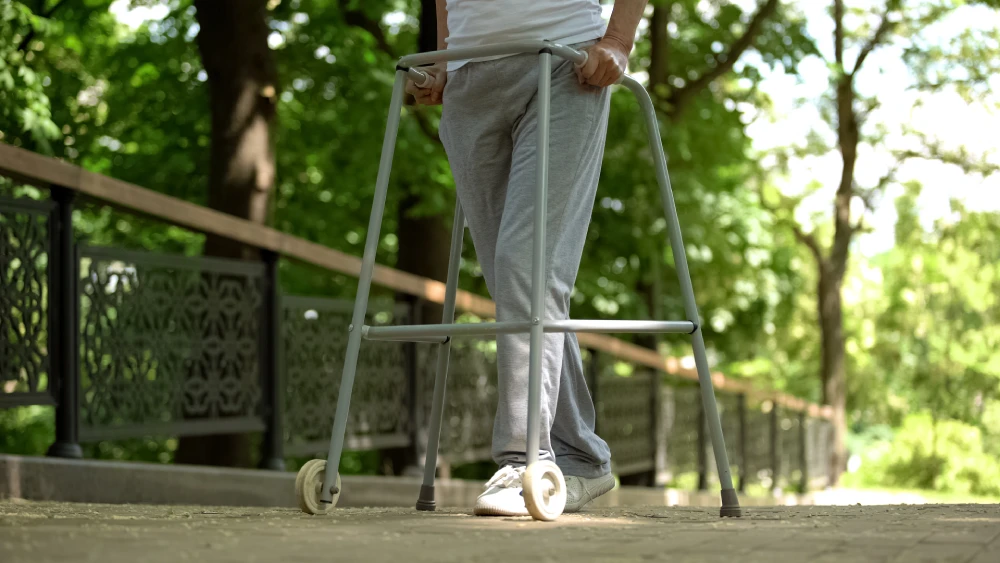
The duration varies depending on your recovery progress and mobility. Many patients initially use a walker or crutches before transitioning to a cane and eventually walking independently as strength and balance improve.
When can I return to work after a total knee replacement?
This depends on the nature of your job and your individual recovery. Patients with desk-based roles may return sooner than those with physically demanding occupations. Your doctor can provide personalised guidance based on your progress.
What activities should I avoid during recovery?
During the early stages of recovery, you should avoid activities that place excessive strain on the healing knee. Your healthcare team will advise when it is appropriate to gradually resume specific activities and exercises.
How long does a knee replacement last?
Modern knee implants are designed to be durable and can often last 15 to 20 years or longer, depending on factors such as activity levels, overall health, weight management, and implant type.
Our Specialist at Your Service
Dr James Tan Chung HuiSenior Consultant Orthopaedic SurgeonMBBS (Singapore), MRCS (Edinburgh)MMed (Orth), FRCS Orth & Tr (Edinburgh)
Dr James Tan Chung Hui is a Senior Consultant Orthopaedic Surgeon with over 15 years of experience in sports surgery and exercise medicine. He specialises in knee, shoulder and elbow injuries, including minimally invasive ligament and tendon repair, cartilage procedures and joint reconstruction. Dr Tan has treated national athletes and professional footballers and is actively involved in research and tissue engineering collaborations. He is an Adjunct Assistant Professor at NUS and a Fellow of the Royal College of Surgeons (Edinburgh).