



MBBS (Singapore), MRCS (Edinburgh)
MMed (Orth), FRCS Orth & Tr (Edinburgh)
Persistent knee pain and stiffness can make everyday life feel increasingly limiting over time. Some individuals may begin avoiding physical activity because of discomfort, while others may worry about how their symptoms may progress over time.
Understanding the different treatment pathways available for knee arthritis may help patients feel more confident about managing their condition. From physiotherapy and lifestyle modifications to injections and joint replacement surgery, treatment is often tailored to the individual’s symptoms, mobility needs and long-term goals.
What Is Knee Arthritis?
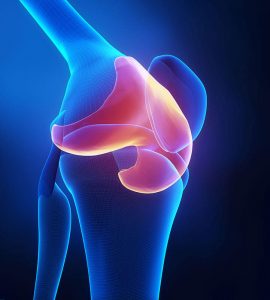
Knee arthritis is a condition in which the cartilage within the knee joint gradually wears down over time. Cartilage helps cushion the joint and allows smooth movement between the bones. As the cartilage becomes thinner or damaged, the joint may become inflamed, stiff and painful during movement.
Osteoarthritis is the most common type of knee arthritis, especially among older adults, although previous injuries, repetitive joint stress and excess body weight may also contribute to joint degeneration over time.
Common symptoms of knee arthritis may include:
- Knee pain during walking or standing
- Stiffness, especially after rest or in the morning
- Swelling around the joint
- Clicking or grinding sensations during movement
- Reduced flexibility or difficulty bending the knee
- Difficulty climbing stairs or walking longer distances
How Is Knee Arthritis Usually Managed in the Early Stages?
In the early stages of knee arthritis, treatment often focuses on reducing pain, improving joint function and slowing further joint degeneration. Many patients are able to manage symptoms effectively with conservative therapies before more advanced treatments are considered.
Treatment plans are usually tailored according to symptom severity, activity level and overall joint condition. Common early-stage management strategies may include:
- Activity modification: Reducing repetitive high-impact activities such as running or jumping may help lower stress on the knee joint.
- Weight management: Maintaining a healthy body weight may reduce pressure on the knees and help relieve pain during movement.
- Physiotherapy and strengthening exercises: Targeted exercises may help strengthen the muscles supporting the knee, improve flexibility and enhance joint stability.
- Pain relief medications: Oral medications or topical anti-inflammatory treatments may help manage pain and swelling during flare-ups.
- Bracing or walking aids: Knee braces or walking aids may provide additional support and improve mobility in some patients.
When Are More Advanced Treatments Considered?
More advanced treatments may be considered when knee arthritis symptoms continue despite conservative management or when pain and stiffness begin to interfere more significantly with daily activities and mobility. At this stage, treatment often focuses on improving comfort, reducing inflammation and maintaining joint function.
Depending on the severity of arthritis and the patient’s symptoms, treatment options may include:
- Corticosteroid injections: These injections may help reduce inflammation and temporarily relieve pain during arthritis flare-ups.
- Hyaluronic acid injections: Also known as viscosupplementation, these injections aim to improve joint lubrication and reduce friction within the knee.
- Regenerative therapies: In selected patients, treatments such as platelet-rich plasma (PRP) injections may be considered to support symptom management, although suitability varies between individuals.
- Further imaging and specialist assessment: X-rays or MRI scans may be recommended to evaluate joint degeneration, cartilage loss and overall knee condition before deciding on the next stage of treatment.
When Might Knee Surgery Be Recommended?
Surgery may be considered when knee arthritis becomes more advanced and symptoms continue to affect mobility, comfort and daily activities despite non-surgical treatment.
The type of surgery recommended usually depends on the extent of joint damage. If arthritis affects only one part of the knee, partial knee replacement may be considered to replace the damaged area while preserving healthier joint structures. When joint degeneration is more widespread, total knee replacement may be recommended to improve overall joint function and reduce pain.
Recovery after surgery typically involves physiotherapy and rehabilitation to support mobility, strength and long-term knee function.
Finding the Right Treatment Pathway for Knee Arthritis
Knee arthritis affects every individual differently, which is why treatment is usually tailored according to symptom severity, joint condition, lifestyle needs and long-term mobility goals. While some patients may manage symptoms effectively with conservative therapies, others may eventually require more advanced interventions as the condition progresses.
Quantum Orthopaedics supports patients through the different stages of knee arthritis management, from early conservative therapies to surgical care for more advanced joint degeneration. Dr James Tan Chung Hui works closely with patients to identify suitable treatment options based on joint health, lifestyle demands and long-term recovery goals. Arrange a consultation with us if knee pain or stiffness is beginning to affect your movement and quality of life.
FAQs About Knee Arthritis Treatment
Can exercise still help if I have knee arthritis?
Yes. Appropriate strengthening and flexibility exercises may help support the knee joint, improve mobility and reduce discomfort in some patients.
Are knee injections a permanent solution for knee arthritis?
Knee injections are generally intended to help manage symptoms temporarily. Their effectiveness and duration of relief may vary depending on the individual and the severity of arthritis.
Can younger patients with knee arthritis avoid knee replacement surgery?
Depending on the severity of arthritis, younger patients may initially benefit from conservative therapies, physiotherapy or joint preservation strategies before surgery is considered.
Our Specialist at Your Service
Dr James Tan Chung HuiSenior Consultant Orthopaedic SurgeonMBBS (Singapore), MRCS (Edinburgh)MMed (Orth), FRCS Orth & Tr (Edinburgh)
Dr James Tan Chung Hui is a Senior Consultant Orthopaedic Surgeon with over 15 years of experience in sports surgery and exercise medicine. He specialises in knee, shoulder and elbow injuries, including minimally invasive ligament and tendon repair, cartilage procedures and joint reconstruction. Dr Tan has treated national athletes and professional footballers and is actively involved in research and tissue engineering collaborations. He is an Adjunct Assistant Professor at NUS and a Fellow of the Royal College of Surgeons (Edinburgh).