



MBBS (Singapore), MRCS (Edinburgh)
MMed (Orth), FRCS Orth & Tr (Edinburgh)
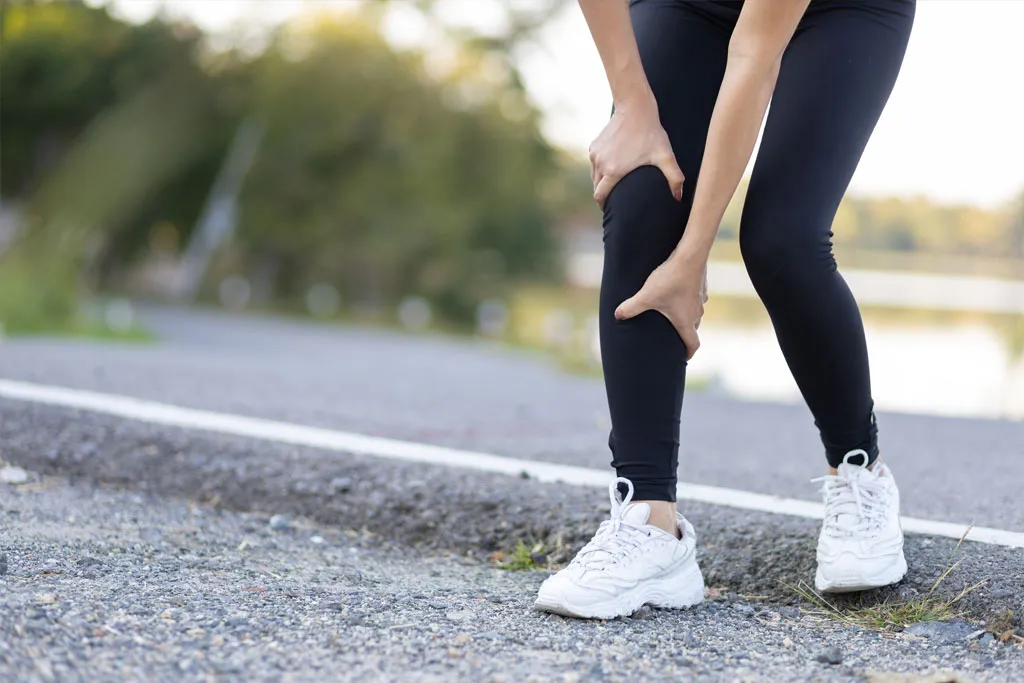
Sudden knee instability, often described as the knee “giving way”, can be unsettling and even dangerous if it happens during walking, climbing stairs or exercising. It may occur without warning or take place after experiencing strain, leaving you unsure whether it is something minor or if you have just seriously injured your leg.
Understanding what causes this sensation and what to do immediately can help you prevent further damage and recover more effectively.
What Does Knee Instability Feel Like?
Knee instability typically feels like a sudden loss of support in the joint. You may notice:
- A buckling or collapsing sensation when putting weight on the knee
- Difficulty maintaining balance
- A feeling that the knee cannot “hold” your body
- Sudden weakness when walking or turning
Some people also experience pain, swelling or a clicking sensation at the same time. In other cases, the instability may occur without much pain, simply causing your leg to buckle beneath you.
When Knee Instability May Signal a More Serious Injury
There are several signs and symptoms that may point to significant problems, which should be addressed immediately. Some of these issues include:
- Immediate swelling after the knee gives way
- A popping sound at the time of injury
- Inability to bear weight
- Persistent instability or repeated episodes
- Locking or inability to fully straighten the knee
These symptoms may be a sign of mechanical problems within the knee joint, which could be affecting its stability and movement. In such cases, continuing normal activity without proper assessment may worsen the injury or delay recovery.
If you notice any of these signs, it is advisable to seek medical evaluation early.
Common Causes of Sudden Knee Instability
Sudden knee instability can arise from a range of underlying issues affecting the ligaments, cartilage, muscles or joint surfaces. Understanding the cause is key to managing the condition effectively and preventing recurrence.
Ligament Injuries
Ligaments play a crucial role in keeping the knee stable during movement. Injuries to structures such as the anterior cruciate ligament (ACL) or medial collateral ligament (MCL) are common causes of the knee giving way, especially after sudden twisting, pivoting or awkward landings. When these ligaments are stretched or torn, the knee may feel loose or unreliable, particularly during activities that involve turning or changing direction. In more severe cases, instability may persist even during normal walking.
Meniscus Tears
The meniscus acts as a shock absorber between the thigh bone and shin bone. When this cartilage is torn, it can disrupt the smooth motion of the knee joint. This may result in catching, locking or a sensation that the knee is not moving properly. Some people experience intermittent instability, especially when squatting, rising from a seated position or rotating the knee. Smaller tears may cause subtle symptoms, while larger tears can significantly affect joint stability.
Patellar Instability
Patellar instability occurs when the kneecap does not track properly within its groove or slips partially or completely out of place. This can happen due to trauma, structural alignment issues or muscle imbalances. Even a brief displacement can cause a sudden “giving way” sensation, often accompanied by discomfort at the front of the knee. Recurrent episodes may lead to ongoing instability and a feeling of insecurity during movement, particularly when walking downhill or using stairs.
Muscle Weakness or Imbalance
The muscles surrounding the knee, particularly the quadriceps, hamstrings and hip stabilisers, provide dynamic support to the joint. When these muscles are weak or not working in coordination, the knee may lack adequate control during movement. This can lead to episodes of buckling, especially during weight-bearing activities such as climbing stairs or standing up from a seated position. Muscle-related instability often develops gradually and may be more noticeable when a person is fatigued.
Osteoarthritis or Cartilage Wear
Degenerative changes in the knee joint, such as arthritis, can affect both stability and alignment. As cartilage wears down over time, the joint surfaces become less smooth and may not move as efficiently. This can lead to sensations of stiffness, shifting or instability, particularly after prolonged activity or periods of rest. In some cases, small loose fragments within the joint can also contribute to catching or giving way. Osteoarthritis-related instability is more common in older adults but can also occur earlier in individuals with previous injuries or high joint stress.
What to Do Immediately When Your Knee Gives Way
Taking the right steps immediately after your knee gives way can help reduce pain, limit further injury and support a smoother recovery.
- Stop activity immediately. Continuing to walk, exercise or bear weight on an unstable knee can worsen the injury, especially if there is underlying ligament or cartilage damage.
- Protect and stabilise the knee. Keep your knee in a comfortable, slightly bent position and avoid sudden movements. If available, use a knee brace or support to provide stability.
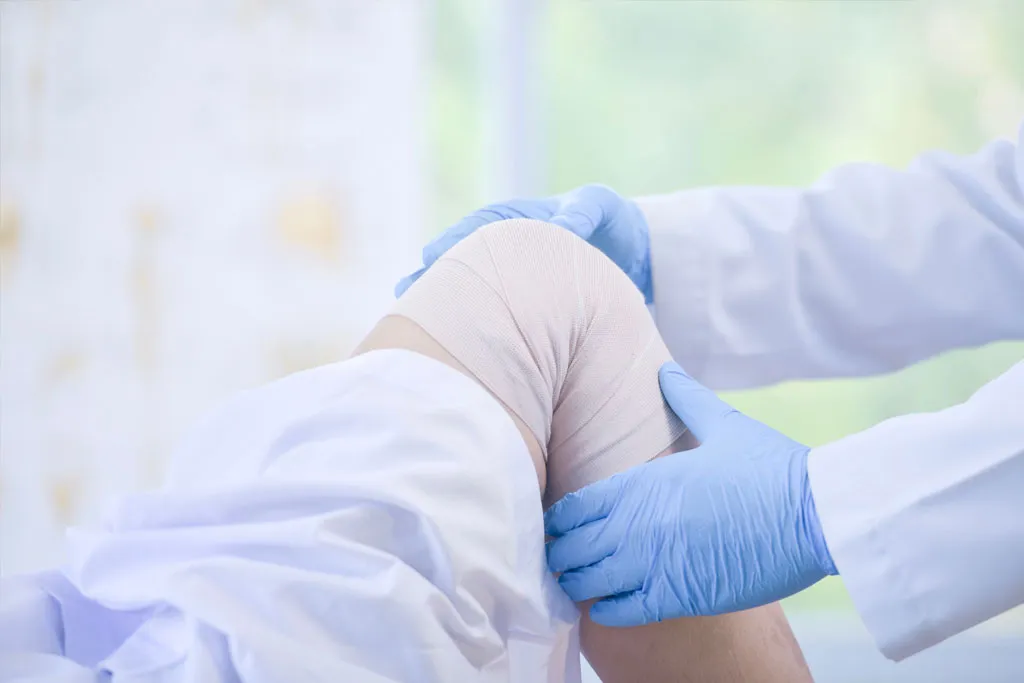
- Apply ice, compression and elevation. Place an ice pack on the knee for 15–20 minutes to help reduce swelling and discomfort. Use a compression bandage to provide gentle support and elevate your leg above heart level when resting to minimise swelling.
- Seek medical attention. If the knee gives way with severe pain, significant swelling or you are unable to move or bear weight at all, this may indicate a more serious injury. In such cases, seek urgent medical care or call an ambulance for immediate assistance.
Once you have administered immediate care, you may want to arrange to see an orthopaedic specialist for a proper assessment as soon as possible, especially if the instability persists, is painful or recurs. Early evaluation helps identify the underlying cause and can guide appropriate treatment.
How Do Orthopaedic Clinics Diagnose and Treat Knee Instability?
Orthopaedic specialists are able to use a structured approach to evaluate both the stability of the joint and carry out imaging to detect any internal damage, followed by a treatment plan tailored to your condition, lifestyle and severity of symptoms.
Diagnosis
The consultation typically begins with a detailed discussion of your symptoms, including when the instability occurs, any history of injury and how it affects your daily activities.
The doctor will then examine your knee by:
- Checking range of motion and joint flexibility
- Assessing ligament stability through specific stress tests
- Evaluating kneecap tracking and alignment
- Observing your walking pattern and weight-bearing ability
- Testing muscle strength in the thigh and surrounding areas
These hands-on assessments help determine whether the instability is due to ligament injury, muscle weakness, patellar issues or other mechanical problems.
If further clarity is required, imaging tests may be recommended to confirm the diagnosis.
- X-rays are useful for assessing bone structure, joint alignment and signs of osteoarthritis
- MRI scans provide detailed images of soft tissues such as ligaments, tendons and cartilage, helping to identify tears or internal damage
- In selected cases, ultrasound may be used to evaluate certain soft tissue conditions
Treatment
Treatment is tailored to the underlying cause and severity of the instability, with many patients improving through non-surgical methods.
Non-surgical management is usually the first step. This often involves a structured physiotherapy programme aimed at strengthening the muscles around the knee, particularly the quadriceps, hamstrings and hip stabilisers. Improving muscle strength and coordination helps restore joint control and reduce the risk of the knee giving way. Bracing may be recommended in some cases to provide additional support, while activity modification helps you stay active without placing excessive strain on the joint.
Medications may also be used to manage pain and inflammation, especially in the early stages. In selected cases, injections may be used to reduce inflammation or improve joint function, depending on the diagnosis.
Surgical treatment may be necessary if there is significant structural damage or if symptoms persist despite conservative care. This can include ligament reconstruction for complete tears, minimally invasive procedures to repair or trim damaged cartilage or corrective procedures for recurrent kneecap instability. The goal of surgery is to restore stability and function, followed by a structured rehabilitation programme to support recovery.
Resolving Unstable Knees with Specialist Orthopaedic Assistance
Whether caused by ligament injury, cartilage damage, muscle imbalance or joint degeneration, the underlying issues behind knee instability often require careful assessment to prevent further strain and long-term complications. Early recognition of warning signs and appropriate initial care can make a meaningful difference in recovery and overall joint health.
If your knee continues to feel unreliable or symptoms persist, seeking a professional evaluation is an important next step. A thorough diagnosis and targeted treatment plan may be able to support both healing and stability, rather than relying on temporary relief alone.
At Quantum Orthopaedics, care is centred on understanding each patient’s condition in detail and tailoring treatment accordingly. With a focus on evidence-based approaches and functional recovery, patients are guided through every stage from diagnosis to rehabilitation.
Dr James Tan Chung Hui, our senior consultant orthopaedic surgeon, brings extensive experience in managing knee conditions, including ligament injuries and joint instability. His approach combines precise assessment with modern treatment techniques to restore confidence in movement.
If you are experiencing knee instability, contact us today to arrange a consultation and take the first step towards regaining stability and control.
Our Specialist at Your Service
Dr James Tan Chung HuiSenior Consultant Orthopaedic SurgeonMBBS (Singapore), MRCS (Edinburgh)MMed (Orth), FRCS Orth & Tr (Edinburgh)
Dr James Tan Chung Hui is a Senior Consultant Orthopaedic Surgeon with over 15 years of experience in sports surgery and exercise medicine. He specialises in knee, shoulder and elbow injuries, including minimally invasive ligament and tendon repair, cartilage procedures and joint reconstruction. Dr Tan has treated national athletes and professional footballers and is actively involved in research and tissue engineering collaborations. He is an Adjunct Assistant Professor at NUS and a Fellow of the Royal College of Surgeons (Edinburgh).