




MBBS (Singapore), MRCS (Edinburgh)
MMed (Orth), FRCS Orth & Tr (Edinburgh)
Persistent joint pain is often mistaken for muscle fatigue or simple overexertion. However, when the discomfort lingers or starts to affect your daily movement, it may point to an underlying issue within the joint itself rather than a temporary strain.
Telling the difference is not always straightforward, especially when symptoms overlap in the early stages. This makes it important to understand the differences between the common causes of pain in the joints, and for you to identify the right time to visit an orthopaedic clinic for an assessment.
Muscle Fatigue vs Joint Pain: What’s the Difference?
Muscle fatigue and joint pain can both be triggered by exercise and strain, causing them to feel similar at first. However, they differ in the source of the discomfort and how long it takes for recovery.
Muscle fatigue typically occurs directly after physical activity or overuse, presenting as a dull, aching soreness in the muscle that improves with rest and resolves within a few days.
Joint pain, on the other hand, is usually felt deeper within the joint and may be accompanied by stiffness, swelling or reduced range of motion. It may persist despite rest or recur with specific movements, and can sometimes feel sharp or localised when associated with structural issues such as cartilage wear or ligament strain.
Signs Your Joint Pain May Be More Than Muscle Fatigue
Joint pain may be more than temporary fatigue when it lasts beyond a few weeks or continues to return despite rest and self-care. Unlike typical post-activity soreness, it may gradually worsen or start to interfere with everyday activities such as walking, climbing stairs or gripping objects.
Other warning signs include swelling, stiffness after periods of inactivity, reduced flexibility or a sense of instability during movement. These symptoms may indicate an underlying joint condition rather than simple overuse.
Recognising these patterns early can help guide when to seek evaluation from an orthopaedic specialist.
Common Causes of Persistent Joint Pain
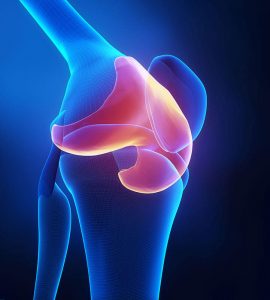
Persistent joint pain may be linked to underlying conditions or damage within the knee joint. These conditions may require a longer period of rest to recover from, or possibly even surgical treatment. These include:
- Cartilage Injury: A cartilage injury takes place when there is damage to the joint’s cushioning surface, which causes mild discomfort during movement. It is often mistaken for muscle strain, as early symptoms can feel like general soreness after activity.
- Meniscal Cyst: A meniscus cyst is a fluid-filled swelling in the knee, linked to meniscus damage that leads to localised aching or tightness. This condition can be confused with muscle strain due to post-exercise discomfort and its gradual onset.
- Knee Arthritis: Early-stage knee arthritis often presents as mild pain or stiffness after activity. This joint wear is frequently mistaken for muscle fatigue, as symptoms are subtle and may appear to improve temporarily with rest.
- Runner’s Knee: Runner’s knee often causes pain around the front of the knee after repetitive movement. This condition is often confused with muscle strain because it presents as a dull ache after exercise or prolonged sitting.
- Mild Anterior Cruciate Ligament (ACL) Tear: In low-grade ACL tear cases, there is often a low level of constant pain, with minimal swelling and preserved movement. Unlike more severe tears, which are likely obvious, milder ACL injuries can be mistaken for muscle strain, as symptoms are not immediately severe and may only recur with specific movements like twisting.
How Orthopaedic Clinics Diagnose Joint Pain
Orthopaedic clinics take a structured approach to identifying the root cause of joint pain, especially when symptoms are persistent or unclear. Rather than relying on descriptions of symptoms alone, specialists assess how the pain developed, how it behaves and how it affects movement. This allows them to distinguish between temporary muscle strain and underlying structural issues.
The diagnostic process usually begins with a detailed clinical evaluation, where the orthopaedic specialist reviews your medical history, activity levels and symptom patterns. This is followed by a physical examination to assess joint movement, stability, strength and areas of tenderness.
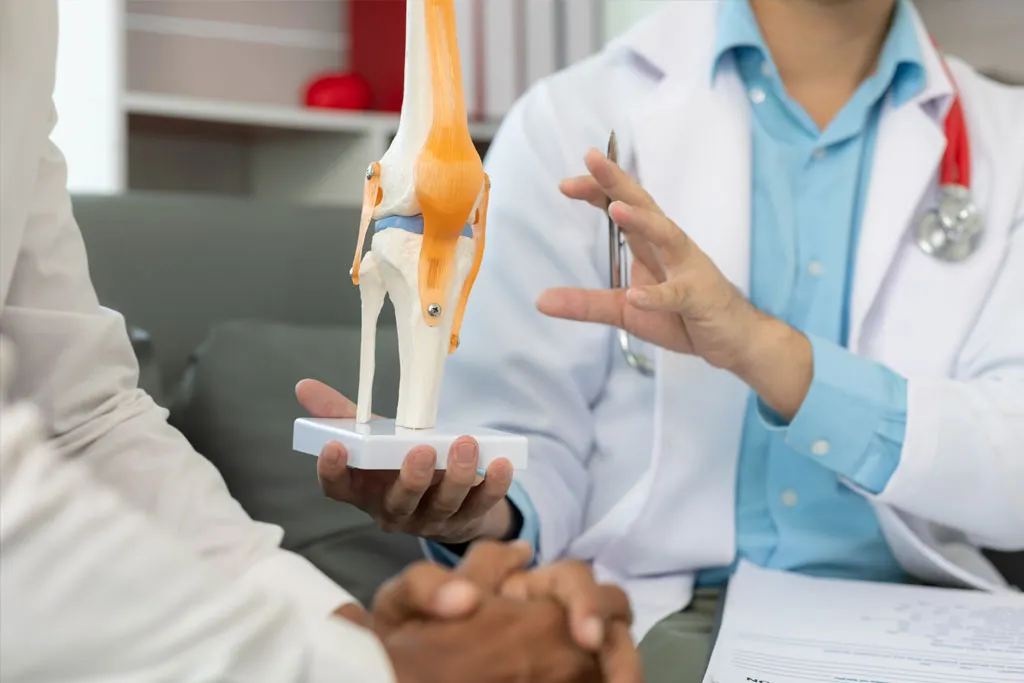
When a physical examination alone is not sufficient, imaging may be used to confirm the diagnosis and assess the extent of the injury. These tests provide a clearer view of the joint structures and ligaments, allowing orthopaedic specialists to identify issues or injuries that are not visible externally.
By combining clinical findings with imaging results, orthopaedic clinics can make a more accurate diagnosis and develop a treatment plan tailored to the patient’s underlying condition.
Seeking Early Assessment at an Orthopaedic Clinic in Singapore
Persistent joint discomfort that does not settle with rest is often a signal that something more than simple muscle fatigue is at play. Recognising patterns such as recurring pain, stiffness or reduced movement can help distinguish between temporary strain and structural concerns that require closer attention. Early treatment often allows for more targeted management by your orthopaedic specialist, helping to prevent further joint deterioration and potential complications.
At Quantum Orthopaedics, our practice seeks to understand each patient’s unique circumstances, with a focus on precise diagnosis and tailored treatment strategies. Care is led by Dr James Tan Chung Hui, a senior consultant orthopaedic surgeon with extensive experience in managing joint conditions, particularly those affecting the knee, shoulder and elbow.
If your joint pain is ongoing or affecting your daily activities, it is advisable to seek timely evaluation. Contact us today to arrange a consultation and take the first step towards restoring comfortable movement.
Our Specialist at Your Service
Dr James Tan Chung HuiSenior Consultant Orthopaedic SurgeonMBBS (Singapore), MRCS (Edinburgh)MMed (Orth), FRCS Orth & Tr (Edinburgh)
Dr James Tan Chung Hui is a Senior Consultant Orthopaedic Surgeon with over 15 years of experience in sports surgery and exercise medicine. He specialises in knee, shoulder and elbow injuries, including minimally invasive ligament and tendon repair, cartilage procedures and joint reconstruction. Dr Tan has treated national athletes and professional footballers and is actively involved in research and tissue engineering collaborations. He is an Adjunct Assistant Professor at NUS and a Fellow of the Royal College of Surgeons (Edinburgh).