



MBBS (Singapore), MRCS (Edinburgh)
MMed (Orth), FRCS Orth & Tr (Edinburgh)
Knee pain is one of the most common complaints among runners and active individuals, but not all knee pain is the same. Two conditions that are often confused are runner’s knee and a meniscus injury. While they can feel similar at first, they stem from different causes and require different treatments. Understanding how to tell them apart is key to getting the right care early and helping to avoid long-term damage.
What Is Runner’s Knee and a Meniscus Injury?
Runner’s knee, medically known as patellofemoral pain syndrome, is an overuse injury that affects the front of the knee. It develops gradually when repeated stress irritates the area around the kneecap.
A meniscus injury, on the other hand, involves a tear in the cartilage that cushions the knee joint. This type of injury is often caused by sudden twisting movements or may develop over time due to wear and tear.
Key Differences Between Runner’s Knee and Meniscus Injury
Although runner’s knee and a meniscus injury are both knee injuries that can both cause knee discomfort, their symptoms often present differently. Paying attention to how and where your knee hurts can help you distinguish between the two.
| Key differences | Runner’s knee | Meniscus injury |
| Pain location | Pain around or behind the kneecap | Pain along the inner or outer side of the knee |
| Type of pain | Dull, aching discomfort that builds up over time | Sharper, more localised pain especially with movement |
| Onset of symptoms | Gradual onset, often linked to repetitive activity | Sudden onset after twisting, or gradual due to wear and tear |
| Movement-related symptoms | Worsens with running, climbing stairs or sitting for long periods | May cause clicking, catching or a locking sensation in the knee |
| Swelling | Little to no swelling | Swelling may develop hours after the injury |
How Are They Diagnosed and Treated?
Diagnosis
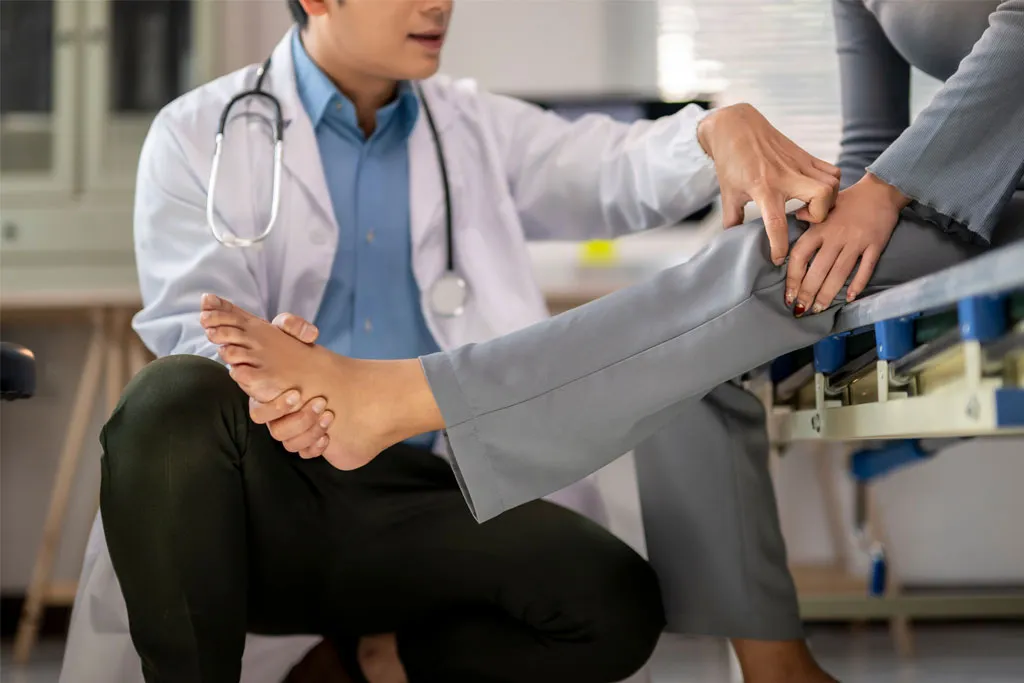
Runner’s knee is typically diagnosed based on your symptoms and a physical examination, with pain commonly felt around the kneecap and without mechanical symptoms such as locking or catching. In contrast, a meniscus injury is assessed using specific physical tests to check for joint line tenderness, as well as signs such as clicking or locking of the knee. In some cases, an MRI scan may be recommended to confirm the presence and extent of a meniscus tear.
Treatment
Treatment for runner’s knee typically focuses on conservative methods such as rest, activity modification and physiotherapy. Strengthening exercises and stretching are also important to correct muscle imbalances and improve movement patterns.
For a meniscus injury, treatment depends on the severity of the tear. Mild cases can often be managed with rest and physiotherapy, while more severe injuries may require additional interventions such as injections or a meniscectomy to repair or remove the damaged cartilage.
When Should You See a Knee Specialist?
While some knee pain may improve with rest and simple care, certain symptoms should not be ignored. Seeking early evaluation from a knee specialist can help prevent further damage and ensure appropriate treatment. You should consider seeing a specialist if you experience:
- Persistent pain that does not improve after a few days of rest.
- Swelling that continues or worsens over time.
- Locking, catching, or clicking sensations in the knee.
- Difficulty bending or straightening your knee fully.
- Knee instability or a feeling that your knee may “give way”.
- Pain after a specific injury, such as a twist or sudden movement.
Specialist Treatments for Runner’s Knee and Meniscus Injury
Understanding the difference between runner’s knee and a meniscus injury is essential for getting the right treatment and avoiding further complications. While both conditions may cause similar discomfort, their causes and management approaches are quite different. If your knee pain persists or worsens, seeking a professional evaluation can help you recover safely and effectively.
At Quantum Orthopaedics, we provide specialist evaluation and treatment for a wide range of knee conditions, including runner’s knee and meniscus injuries. Patients are assessed by Dr James Tan Chung Hui, who has more than 15 years of experience in sports surgery and exercise medicine and has treated athletes from Singapore’s national teams and professional footballers. If you are experiencing persistent knee pain, swelling, or mechanical symptoms such as locking or instability, schedule a consultation with our specialist to receive an accurate diagnosis and a tailored path towards recovery and long-term joint health.
FAQs About Runner’s Knee and Meniscus Injury
Can runner’s knee turn into a meniscus injury?
Runner’s knee itself does not directly cause a meniscus tear, as they are different types of conditions. However, continuing to train through pain or poor movement patterns may increase the risk of other knee injuries over time, including meniscus damage.
Are these conditions more common in certain age groups?
Runner’s knee is more commonly seen in younger, active individuals due to overuse. While meniscus injuries can occur at any age, often from sports in younger patients or due to degenerative changes in older adults.
What happens if a meniscus tear is left untreated?
Depending on the type of tear, symptoms may persist or worsen over time. In some cases, untreated tears can lead to ongoing pain, reduced mobility, or increased wear in the knee joint.
Will wearing a knee brace help?
A knee brace may provide temporary support and comfort, but it does not treat the underlying cause. It is best used alongside proper rehabilitation rather than as a standalone solution.
Are these injuries common even in non-runners?
Yes. While runner’s knee is commonly associated with running, it can also affect anyone who performs repetitive knee movements. Meniscus injuries can occur in sports, daily activities or even due to age-related wear and tear.
Our Specialist at Your Service
Dr James Tan Chung HuiMBBS (Singapore), MRCS (Edinburgh)MMed (Orth), FRCS Orth & Tr (Edinburgh)
Dr James Tan Chung Hui is a Senior Consultant Orthopaedic Surgeon with over 15 years of experience in sports surgery and exercise medicine. He specialises in knee, shoulder and elbow injuries, including minimally invasive ligament and tendon repair, cartilage procedures and joint reconstruction. Dr Tan has treated national athletes and professional footballers and is actively involved in research and tissue engineering collaborations. He is an Adjunct Assistant Professor at NUS and a Fellow of the Royal College of Surgeons (Edinburgh).