



MMed (Orth), FRCS Orth & Tr (Edinburgh)
A torn ACL does not just affect your knee at the moment of injury — it can influence how your joint functions for years to come. The anterior cruciate ligament plays an important role in keeping your knee stable during movements such as walking, turning and climbing stairs. When it is torn, the knee may feel unstable or prone to “giving way,” especially during more active movements.
Without proper treatment, repeated instability can increase the risk of further damage to the cartilage and other structures within the knee. For patients who require reconstruction, understanding what to expect before, during and after ACL surgery can help ease uncertainty and support a smoother recovery.
What Is an ACL Injury?
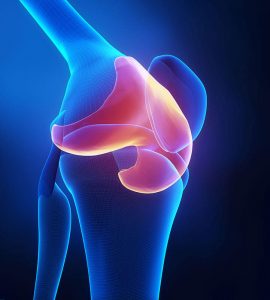
The anterior cruciate ligament (ACL) is one of the key ligaments that stabilises your knee. It connects your thigh bone (femur) to your shin bone (tibia) and helps control movements such as pivoting, turning and sudden stops. This is why the ACL is especially important during sports and other active movements.
An ACL injury occurs when this ligament is overstretched or torn. It often happens during:
- Sudden changes in direction (e.g., football, basketball, badminton).
- Landing awkwardly from a jump.
- A direct blow to the knee.
- Falls or road traffic accidents.
What to Expect Before ACL Surgery?
Proper preparation before ACL surgery plays an important role in ensuring a smooth procedure and recovery. In the weeks leading up to surgery, your orthopaedic specialist will guide you through the necessary assessments, planning and instructions so that you feel informed and confident about the process. Knowing what to expect and how to prepare can help reduce anxiety and support better surgical outcomes.
Pre-Surgery Consultations and Tests
Before surgery, you’ll meet with your orthopaedic surgeon to review your medical history, discuss your symptom and confirm that surgery is the right option for you. You’ll undergo imaging tests such as X-rays and an MRI scan to assess the full extent of the ACL injury and the condition of your knee. This information will help plan the surgery and determine the most suitable graft option.
Preoperative Instructions
Once surgery is scheduled, the clinic will give you clear instructions to follow in the days before the operation. This typically includes:
- Fasting (no eating or drinking) for a specified period before surgery.
- Guidance on medications to avoid (e.g., certain blood thinners or supplements).
- Advice on what to bring to the hospital and how to arrange transport home after surgery,
Getting Your Body Ready
In some cases, your doctor may recommend a short course of physiotherapy before surgery. The goal is to strengthen the muscles around the knee, improve range of motion and reduce swelling before the operation. Going into surgery with better muscle strength and flexibility can support a smoother recovery and help you regain function more efficiently afterwards.
What Happens During ACL Surgery?
ACL surgery is commonly performed as a minimally invasive “keyhole” procedure known as arthroscopic ACL reconstruction. This technique uses small incisions and a tiny camera to guide the surgery, generally resulting in less pain and faster recovery compared to open surgery.
Replacing the Torn Ligament
Because a torn ACL cannot be simply stitched back together, it is reconstructed using a tendon graft. The graft may be taken from:
- Your own hamstring tendon
- Part of your patellar (kneecap) tendon
- Donor tissue (in selected cases)
Your surgeon will discuss the most suitable option based on your age, activity level and knee condition.
How the Procedure Is Performed
During ACL surgery, small incisions are made around the knee to allow a tiny camera (arthroscope) and specialised instruments to be inserted. The camera provides a clear view of the inside of the joint, enabling the surgeon to remove the torn ligament and assess for any additional damage. The new tendon graft is then carefully positioned and secured in place to restore stability to the knee. The procedure typically takes about one to two hours.
Anaesthesia and Hospital Stay
ACL surgery is performed under general or regional anaesthesia, so you will not feel pain during the procedure. Many patients can go home on the same day, although some may require a short hospital stay depending on their condition.
What Happens After ACL Surgery?
Recovery after ACL surgery takes time and commitment. While the procedure restores stability to the knee, rehabilitation is essential to regain strength, movement and confidence.
The First Few Days
In the initial days after surgery, you can expect:
- Swelling and mild to moderate discomfort.
- Use of crutches to reduce weight on the knee.
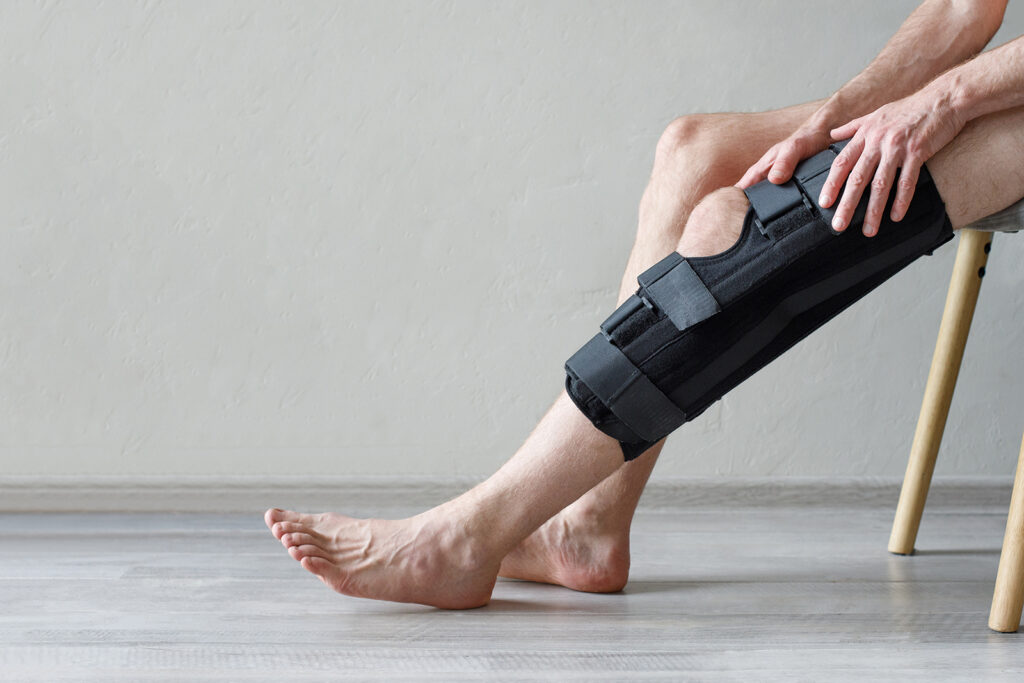
- A knee brace, if advised by your surgeon.
- Medication to manage pain and inflammation.
Physiotherapy and Rehabilitation
Physiotherapy usually begins soon after surgery. The programme progresses in stages:
- Weeks 1–2: Regain knee movement and reduce swelling.
- Weeks 3–6: Improve strength and walking stability.
- Months 2–4: Build muscle strength and balance.
- Months 6 onwards: Gradual return to sports (if appropriate).
Returning to Daily Activities
Most patients are able to return to desk-based work within one to two weeks, depending on their comfort level and mobility. Driving can usually be resumed once you are able to safely control the vehicle without pain or hesitation. A return to sports typically takes about six to nine months, depending on your strength, stability and overall rehabilitation progress.
Every recovery journey is different. Regular follow-ups with your orthopaedic specialist help ensure your knee is healing well and progressing safely toward your activity goals.
Moving Forward With Confidence After ACL Surgery
Every ACL recovery journey is unique, but structured care and commitment to rehabilitation are essential for success. With informed decisions and professional support, you can protect your knee and return to the activities you enjoy.
Quantum Orthopaedics is a specialist orthopaedic clinic focused on the diagnosis and treatment of knee and sports injuries. Patients with ACL concerns are assessed by Dr James Tan Chung Hui, who performs a detailed evaluation of knee stability, symptom severity and individual activity goals before recommending a personalised treatment plan. If you are experiencing persistent pain or instability, a specialist consultation can help clarify the most appropriate next steps toward restoring strength and confidence in the knee.
Our Specialist at Your Service
Dr James Tan Chung Hui
MBBS (Singapore), MRCS (Edinburgh)
MMed (Orth), FRCS Orth & Tr (Edinburgh)
Dr James Tan Chung Hui is a Senior Consultant Orthopaedic Surgeon with over 15 years of experience in sports surgery and exercise medicine. He specialises in knee, shoulder and elbow injuries, including minimally invasive ligament and tendon repair, cartilage procedures and joint reconstruction. Dr Tan has treated national athletes and professional footballers and is actively involved in research and tissue engineering collaborations. He is an Adjunct Assistant Professor at NUS and a Fellow of the Royal College of Surgeons (Edinburgh).