



MBBS (Singapore), MRCS (Edinburgh)
MMed (Orth), FRCS Orth & Tr (Edinburgh)
Whether you’re a professional athlete, weekend warrior, or someone simply enjoying recreational sports, sports injuries can be a frustrating and disruptive setback. They can limit your ability to perform, affect your mobility, and, if not properly addressed, lead to chronic pain or long-term complications.
At Quantum Orthopaedics, we see patients across all activity levels dealing with sports-related injuries — from common strains to complex ligament and cartilage issues. Knowing how these injuries occur, how to recognise the signs, and when to seek help is critical for a safe and full recovery.
What Is a Sports Injury?
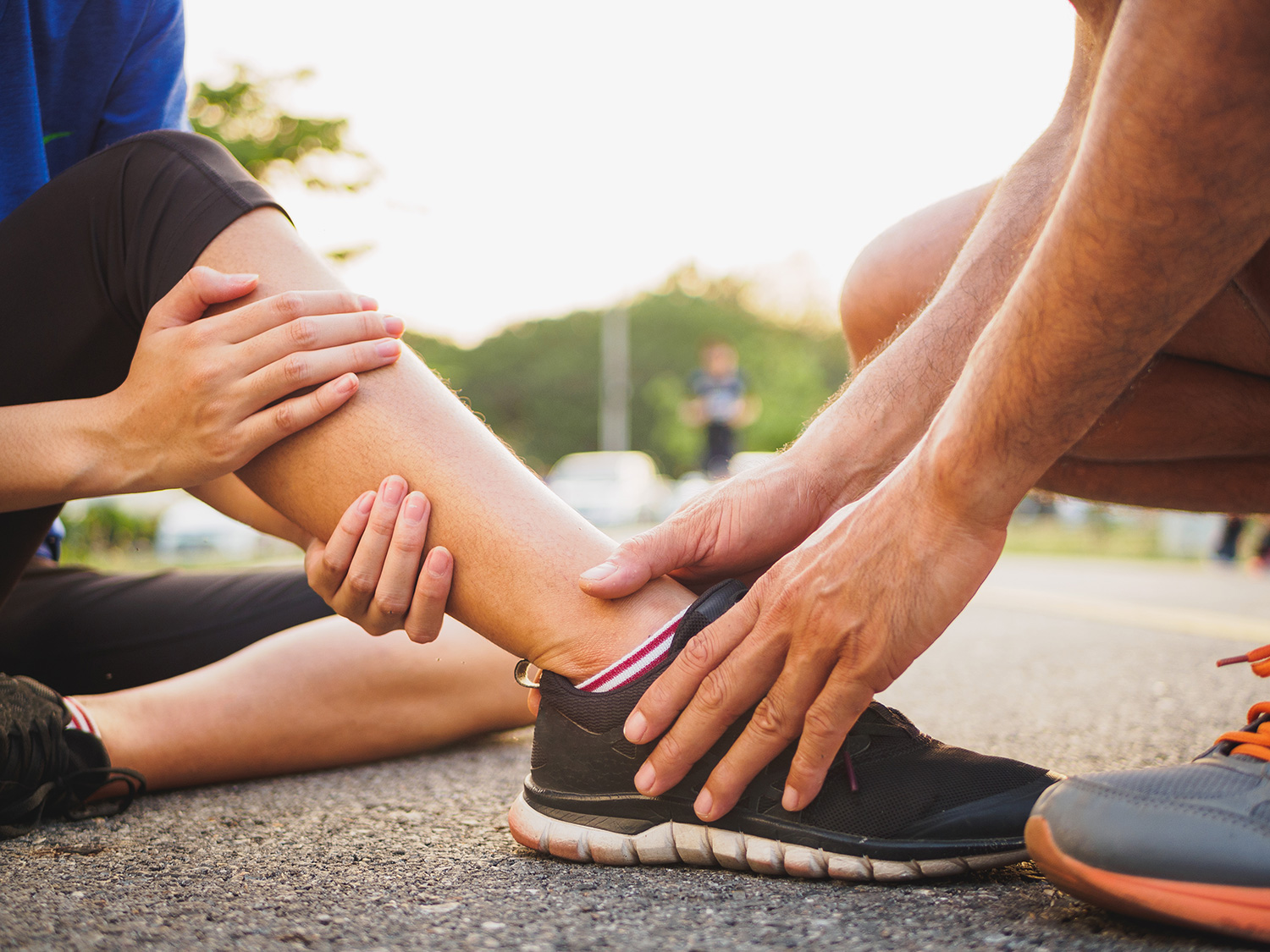
A sports injury refers to damage affecting the muscles, ligaments, tendons, bones or joints during exercise, sports participation or other physical activities. These injuries can occur suddenly due to a fall, collision or awkward movement, or develop gradually as a result of repetitive strain and overuse.
Sports injuries may affect individuals of all activity levels, from competitive athletes to recreational exercisers and active individuals. Depending on the type and severity of the injury, symptoms may include pain, swelling, instability, stiffness or reduced mobility.
| Type of Sports Injury | Common Causes | Examples |
| Acute injuries | Falls, collisions, twisting movements or sudden impact | ACL tears, ankle sprains, fractures, muscle strains |
| Overuse injuries | Repetitive stress on muscles, tendons or joints over time | Runner’s knee, tennis elbow, tendonitis, stress fractures |
Early assessment and treatment may help prevent further injury, support recovery and facilitate a safe return to sports or physical activity
What Are the Common Risk Factors for Sports Injuries?
While anyone can sustain a sports injury, certain factors may increase the risk of injury during training, competition or physical activity.
| Risk Factor | How It May Contribute to Injury |
| Lack of conditioning or sudden return to sport | Increases stress on muscles, tendons and joints that may not be adequately prepared for activity |
| Previous injury | May increase the risk of reinjury if strength, stability or mobility has not been fully restored |
| Improper training techniques | Places excessive strain on specific muscles, joints or movement patterns |
| Excessive training volume | Increases the likelihood of overuse injuries and fatigue-related injuries |
| Poor core or joint stability | May affect movement control and increase stress on surrounding structures |
| Muscle imbalances or weakness | Can alter biomechanics and place additional strain on certain joints or muscles |
| Joint hypermobility or stiffness | May affect movement efficiency and increase injury risk |
| Insufficient rest and recovery | Limits the body’s ability to repair and adapt between training sessions |
Recognising and addressing these risk factors may help reduce the likelihood of sports injuries and support long-term athletic performance.
What Are the Symptoms of Sports Injuries?
Symptoms vary depending on the type and severity of the injury. However, common signs of a sports injury may include:
- Pain during or after physical activity
- Swelling or bruising around the affected area
- Joint instability or the feeling that a joint may give way
- Reduced range of motion or stiffness
- Muscle weakness or difficulty bearing weight
- Tenderness when touching the affected area
- Difficulty returning to sports or exercise
Sports Injuries We Treat at Quantum Orthopaedics
Sports injuries can affect the muscles, tendons, ligaments, bones and joints throughout the body. Depending on the type of sport and mechanism of injury, they may occur suddenly following trauma or develop gradually due to repetitive strain and overuse.
Our sports injury specialist regularly diagnoses and treats a wide range of sports-related conditions, including:
Ligament and Joint Injuries
- Sprains
- Ligament tears
- Meniscus tears
- Dislocations
Muscle and Tendon Injuries
- Strains
- Tendonitis and tendinopathy
Shoulder Injuries
- Rotator cuff tears
- Shoulder impingement
- Frozen shoulder
Bone and Overuse Injuries
- Fractures
- Shin splints
Our treatment recommendations are tailored to the type and severity of the injury, your activity level and your recovery goals.
If you’re dealing with pain, swelling, or discomfort from a sports injury, early intervention can make a significant difference in your recovery and long-term joint health.
How Are Sports Injuries Diagnosed?
Accurate diagnosis is essential for identifying the extent of a sports injury and determining the most appropriate treatment plan. Early assessment may help prevent further damage, reduce recovery time and support a safer return to sports and physical activity.
Diagnosing a sports injury typically involves:
- Reviewing your symptoms and injury history
- Discussing your sport, training routine and activity level
- Assessing strength, mobility and joint stability
- Examining the affected area for swelling, tenderness or movement limitations
- Evaluating movement patterns and functional performance
- Recommending imaging tests such as X-rays, MRI scans or ultrasound when required
Seeking treatment early can be particularly important for injuries involving the ligaments, tendons, cartilage and joints, as delayed treatment may lead to ongoing pain, instability or prolonged recovery. Once a diagnosis is confirmed, our sports injury specialist will recommend a personalised treatment plan based on the type and severity of the injury, your activity goals and your recovery goals.
What Are the Treatments Available for Sports Injuries at Quantum Orthopaedics?
Treatment for sports injuries depends on the type of injury, its severity and your activity goals. Our sports injury specialist offers a range of treatment options to help relieve pain, restore function and support a safe return to sports and physical activity.
Non-Surgical Treatments
Many sports injuries can be managed without surgery, particularly when diagnosed and treated early. Non-surgical treatment options may include:
- Physiotherapy and rehabilitation
- Activity modification
- Medication for pain and inflammation management
- Cortisone injections
- Hyaluronic acid injections
- Platelet-rich plasma (PRP) therapy
● Surgical Treatments
For more severe injuries or conditions that do not respond to conservative treatment, surgical intervention may be recommended. Treatment options may include:
- Arthroscopic (keyhole) surgery
- ACL reconstruction
- Meniscus repair or meniscectomy
- Cartilage restoration procedures
- Rotator cuff repair
Our treatment recommendations are tailored to the nature of your injury, activity level and recovery goals.
Whether you’re recovering from a recent sports injury or experiencing persistent pain during physical activity, Dr James Tan can help identify the underlying cause of your symptoms and recommend a personalised treatment plan tailored to your needs.
What Factors Influence Sports Injury Treatment Recommendations?
The most appropriate treatment for a sports injury depends on several factors, including the type of injury, its severity and your activity goals. Treatment recommendations are tailored to the individual and are designed to support recovery, restore function and facilitate a safe return to physical activity.
Factors that may influence treatment recommendations include:
- The type of injury and structures involved
- The severity of the injury
- The presence of joint instability or structural damage
- Your age and general health
- Your sport and level of participation
- Your occupation and daily activity requirements
- Previous injuries affecting the same area
- Your recovery goals and expectations
- Your response to conservative treatment measures
While many sports injuries can be managed successfully with non-surgical treatment, surgery may be considered when significant structural damage is present or when symptoms persist despite appropriate rehabilitation and conservative care.
Recovery After a Sports Injury
Recovery is an important part of any sports injury treatment plan. Depending on the type and severity of the injury, recovery may involve rehabilitation, physiotherapy and a gradual return to training, competition or everyday activities.
Your recovery plan may include:
- Physiotherapy to restore strength, mobility and function
- Activity modification during the healing process
- Progressive rehabilitation exercises
- Regular follow-up appointments to monitor recovery
- Guidance on safely returning to sports and physical activity
- Guidance on reducing the risk of future injuries
Recovery timelines vary depending on the injury and treatment received. Our sports injury specialist will tailor your recovery plan to your diagnosis, activity level and recovery goals to help you return to the activities you enjoy safely and confidently.
When Should You See a Sports Injury Specialist?
Persistent pain or recurring injuries should not be ignored. Seeking early assessment may help identify the underlying cause of your symptoms and prevent further injury.
Consider consulting a sports injury specialist if you experience:
- Pain that persists despite rest or self-care measures
- Swelling, bruising or tenderness following physical activity
- Joint instability or difficulty bearing weight
- Reduced strength, mobility or range of motion
- Difficulty returning to sports or exercise after an injury
- Recurring injuries affecting the same area
- Symptoms that interfere with daily activities or athletic performance
Why Choose Dr James Tan for Sports Injury Care?
Whether you’re recovering from a recent sports injury or experiencing ongoing pain that affects your performance and daily activities, early assessment can help identify the underlying cause and guide appropriate treatment.
At Quantum Orthopaedics, sports injury treatment is tailored to each patient’s diagnosis, activity level and recovery goals. Led by Dr James Tan, the clinic provides comprehensive assessment, treatment and rehabilitation plans for a wide range of sports-related injuries affecting the muscles, tendons, ligaments and joints.
If you are seeking treatment for a sports injury in Singapore and would like to learn more about your treatment options, recovery expectations and return-to-sport planning, schedule a consultation with Dr James Tan today.
FAQs About Sports Injuries in Singapore
1. What Can I Do to Prevent Sports Injuries?
Many sports injuries cannot be completely prevented. However, maintaining good physical conditioning, using appropriate training techniques, increasing activity levels gradually and allowing adequate time for rest and recovery may help reduce the risk of injury. Addressing pain or recurring symptoms early may also help prevent minor issues from developing into more significant injuries.
2. Can I treat a sports injury at home?
Minor sports injuries may improve with rest, ice, compression and elevation (RICE). However, persistent pain, swelling, instability or difficulty moving the affected area may require assessment by a sports injury specialist to determine whether further treatment is needed.
3. How long does it take to recover from a sports injury?
Recovery time varies depending on the type and severity of the injury, as well as the treatment received. Some minor injuries may improve within a few weeks, while more complex injuries may require a longer period of rehabilitation. Your sports injury specialist will provide guidance based on your diagnosis and recovery progress.
4. Should I stop exercising if I have a sports injury?
This depends on the nature and severity of the injury. While some injuries may require temporary rest, others may benefit from modified activity or rehabilitation exercises. A sports injury specialist can advise on suitable activity modifications during recovery.
5. Is imaging always necessary for a diagnosis?
Not always. Many sports injuries can be diagnosed through a detailed medical history and physical examination. Imaging tests such as X-rays, MRI scans or ultrasound may be recommended when further evaluation of the bones, ligaments, tendons or joints is required.
6. When can I return to sport after a sports injury?
The timing of a return to sport depends on the type of injury, the treatment received and your recovery progress. Returning too soon may increase the risk of reinjury. Your sports injury specialist will assess your recovery and provide guidance on when it is safe to resume training and competition.
7. Do all sports injuries require surgery?
No. Many sports injuries can be managed with non-surgical treatments such as physiotherapy, activity modification, medication or injections. Surgery is typically considered when conservative treatment is unsuccessful or when there is significant structural damage that requires surgical repair.

Sports Injury Doctor in Singapore
Dr James Tan is a senior consultant orthopaedic surgeon with more than 15 years of experience in the diagnosis and treatment of orthopaedic conditions, sports injuries and musculoskeletal disorders. He provides personalised care for athletes and active individuals experiencing acute injuries, overuse conditions and activity-related pain, helping them understand their treatment options and recovery expectations before recommending an appropriate management plan.
At Quantum Orthopaedics, Dr Tan provides personalised assessment and treatment plans tailored to each patient’s condition, lifestyle and recovery goals. His approach focuses on helping patients understand their treatment options, make informed decisions and achieve the best possible functional outcomes.